Laboratory products
Published over 10 years ago. See the latest and most current information on Laboratory products.
Duchenne muscular dystrophy (DMD) is a progressive and fatal muscle degenerating disease caused by a dystrophin deficiency. Effective suppression of the primary pathology observed in DMD is critical for treatment. Patient-derived human induced pluripotent stem cells (hiPSCs) are a promising tool for drug discovery.
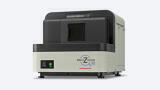
Hamamatsu’s newly developed 96 well multi-electrical field stimulation (EFS) function for the ?CELL/FDSS system has been used to establish an in vitro evaluation system for a Duchenne muscular dystrophy (DMD) therapy using Patient-derived human induced pluripotent stem cells (hiPSCs) that recapitulate the primary pathology.
The study, conducted by researchers from Kyoto University and the Center for iPS CELL Research and Application (CiRA) has been recently published in Nature Scientific Reports:
In this study Hamamatsu’s FDSS/?Cell system is effectively used to electrically stimulate and measure influx of Ca2+ into DMD myocytes in order to evaluate the early pathogenesis of these cells and thereby establish a model that helps to develop and evaluate novel drugs.
For further information the website www.hamamatsu.com.
ILM 51.6 Sept 2026





 Product directory