Laboratory products
Published over 9 years ago. See the latest and most current information on Laboratory products.
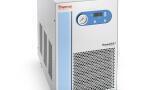
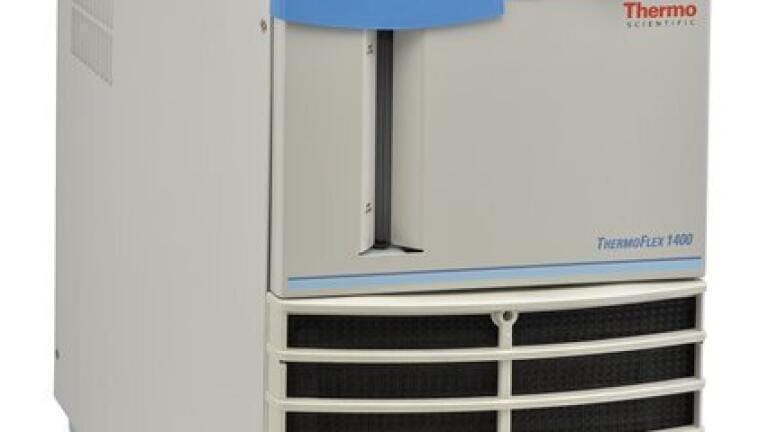
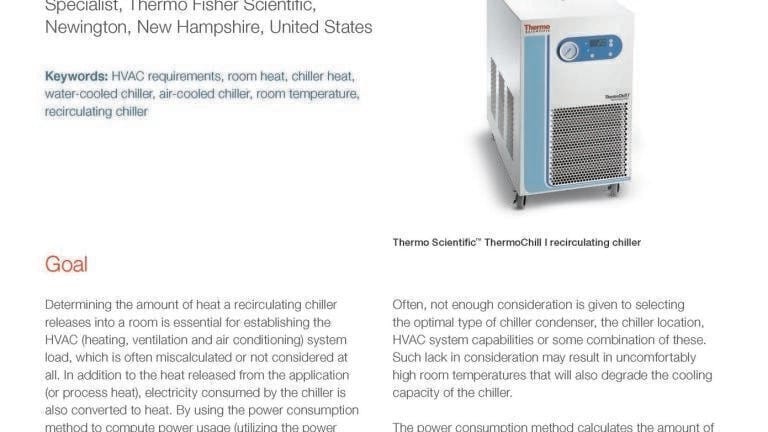
Today, we are pleased to share the revised Thermo Scientific Recirculating Chillers Heat-to-the-Room Technical Note to support your daily application
Purpose: Demonstrate our thought leadership in temperature control by providing information to determine the total amount of heat released by a chiller to optimize its selection and placement.
Determining the amount of heat a recirculating chiller releases into a room is essential for establishing the HVAC (heating, ventilation and air conditioning) system load, which is often miscalculated or not considered at all. In addition to the heat released from the application (or process heat), electricity consumed by the chiller is also converted to heat. By using the power consumption method to compute power usage (utilizing the power consumption of the chiller, process heat, and the type of condenser the chiller has for calculations), one can determine the heat output in the room where the chiller is located. This is helpful in determining the optimal location of the chiller or when sizing of a new HVAC system.
Technical Note Availability:
PDF is attached, and also available in:
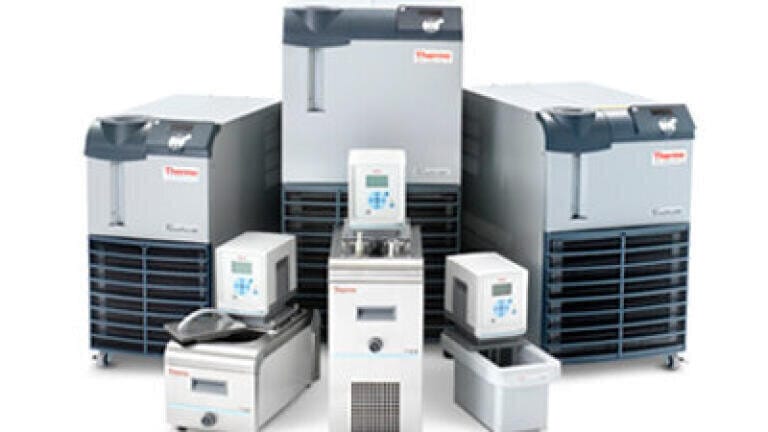
For a closer look at the Thermo Scientific Temperature Control Products, visit www.thermofisher.com/tc
ILM 51.6 Sept 2026





 Product directory