Research news
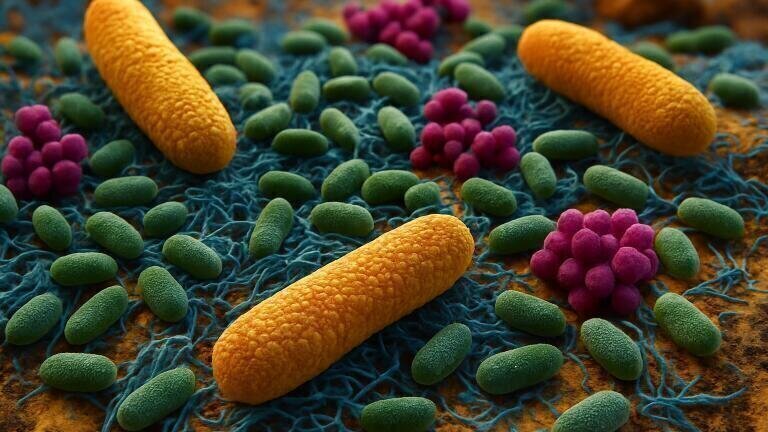
A type of microbe that can inhabit extreme environments such as hydrothermal vents may produce compounds that science can use to combat drug-resistant bacteria, according to research that has applied artificial intelligence (AI) to the study of Archaea, one of Earth’s oldest forms of life.
A University of Pennsylvania team has reported it has used an updated version of its APEX AI tool to predict antibiotic-like molecules from the proteins of 233 species of Archaea. The approach has yielded more than 12,000 candidates, which the researchers named ‘archaeasins’.
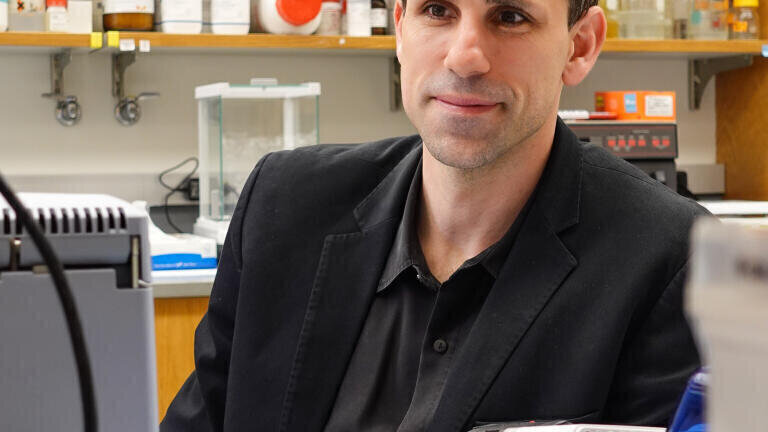
“Previous efforts to find novel antibiotics have looked mostly at fungi, bacteria and animals,” said Dr. César de la Fuente, Presidential Associate Professor in Bioengineering and in Chemical and Biomolecular Engineering in the University of Pennsylvania School of Engineering and Applied Science, in Psychiatry and Microbiology in the Perelman School of Medicine, and in Chemistry in the School of Arts and Sciences.
“There is a whole other domain of life waiting to be explored,” he explained.
Archaea are genetically and biochemically distinct from bacteria and eukaryotes – the two other of the three domains of life – allowing them to survive in environments of extreme temperature, pressure or toxicity.
The researchers proposed that such adaptations may have led Archaea to evolve unique biochemical defences against microbial competitors.
Chemical analysis showed that archaeasins differ from known antimicrobial peptides in their electrical charge distribution. Of 80 archaeasins selected for laboratory testing, 93% displayed antimicrobial activity against at least one disease-causing, drug-resistant bacterium.
In animal models, three archaeasins halted the spread of a hospital-acquired, drug-resistant bacterium within four days of a single dose, with one compound performing comparably to polymyxin B – an antibiotic often reserved as a treatment of last resort.
“This research shows that there are potentially many antibiotics waiting to be discovered in Archaea.
“With more and more bacteria developing resistance to existing antibiotics, it is critical to find novel antibiotics in unconventional places to replace them,” said de la Fuente.
The team has stated that it intends to refine APEX AI to predict candidates from molecular structures, and to investigate the long-term efficacy and safety of archaeasins ahead of possible human clinical trials.
For further reading please visit: 10.1038/s41564-025-02061-0
ILM 51.6 Sept 2026



 Product directory




















,-photo-Karin-Allander.jpg)







.jpg)
