Research news
Researchers at Houston Methodist have identified a mechanism through which a widely used chemotherapy drug may inadvertently alter immune cell production, creating conditions that support tumour survival and treatment resistance. The findings could open the door to combination therapies designed to restore anti-cancer immunity
Chemotherapy has saved countless lives and remains a cornerstone of cancer treatment. However, many tumours fail to respond adequately, while others that initially respond can later develop resistance. Researchers at Houston Methodist, Texas, USA, have now identified a potential biological mechanism that may help explain why some cancers evade treatment despite exposure to chemotherapy.
The findings suggest that – in certain circumstances – chemotherapy may inadvertently reshape the body's immune response in ways that favour tumour survival, even while it destroys cancer cells. The research provides fresh insight into the complex interactions between cancer, the immune system and anticancer therapies, and may offer a pathway towards more effective treatment strategies.
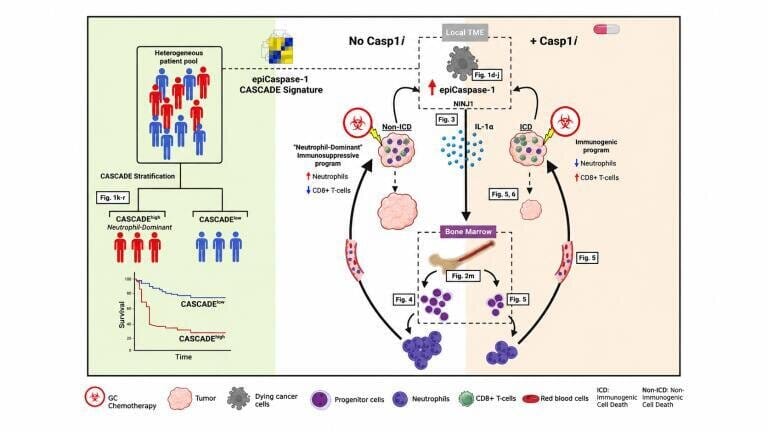
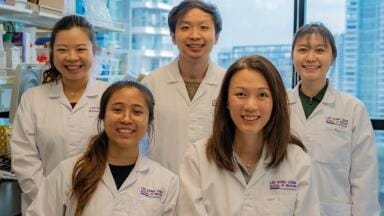
The study, led by Dr Keith Chan, the ‘Neal Cancer Center Distinguished Chair’ at Houston Methodist, examined the effects of gemcitabine, a standard chemotherapy agent used to treat several forms of cancer. The researchers found that the drug induced a form of inflammatory cell death known as pyroptosis. Unlike other forms of cell death that remove damaged cells in a relatively controlled manner, pyroptosis causes cells to rupture and release a range of inflammatory molecules into the surrounding environment.
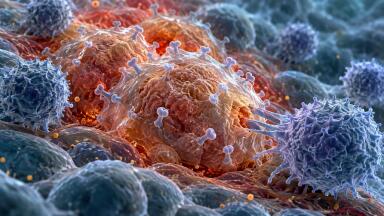
While this process might be expected to stimulate an immune attack against cancer, the investigators discovered that it could instead trigger a series of events that ultimately benefited tumour growth.
Their findings revealed that dying cancer cells released the inflammatory signalling molecule interleukin-1 alpha (IL-1α). This molecule entered the bloodstream and travelled to the bone marrow, where it altered the process of myelopoiesis, the mechanism through which the body produces many types of immune cell.
Rather than support the generation of immune cells capable of recognising and attacking cancer, exposure to IL-1α shifted bone marrow activity towards production of immune cell populations associated with tumour progression. The researchers observed a rise in neutrophil-dominant inflammatory responses that appeared to create conditions favourable to cancer persistence and growth.
This systemic immune remodelling may help explain why some patients experience poor outcomes despite receiving chemotherapy that effectively kills tumour cells. The study suggests that the treatment itself can initiate biological responses far beyond the tumour site, influencing immune activity throughout the body.
“By blocking the trigger for the inflammatory signal or neutralising the disruptive molecule, we were able to stop this harmful chain reaction and restore normal bone marrow activity [to] help the immune system work with chemotherapy instead of against it,” said Chan.
The team demonstrated in preclinical models that interference with the inflammatory pathway prevented the detrimental changes in immune cell production. By either inhibiting activation of the pathway responsible for IL-1α release or neutralising the molecule itself, the researchers restored more normal bone marrow function and reduced the tumour-promoting inflammatory response.
“We noticed that IL-1α released by the dying cancer cells travels to the bone marrow and reprograms the immune system negatively,” Chan added.
The findings add to growing evidence that the effectiveness of cancer therapies depends not only on their direct effects on tumour cells but also on how they influence the wider immune environment. Increasingly, researchers have recognised that successful treatment requires consideration of the complex relationship between cancer cells, immune cells and inflammatory signalling networks throughout the body.
The study also highlights the dual nature of inflammation in cancer. Although inflammation can help the immune system identify and eliminate malignant cells, persistent or misdirected inflammatory responses can instead create conditions that support tumour survival, spread and resistance to therapy.
The investigators believe that targeting the IL-1α pathway could provide a promising strategy to enhance the effectiveness of chemotherapy. Such an approach could potentially allow standard anticancer drugs to retain their tumour-killing activity while preventing the immune alterations that appear to undermine treatment success.
Looking ahead, the research team plans to advance the work towards clinical evaluation. Early-stage clinical studies will seek to determine whether the approach is safe and feasible in patients and whether it shows preliminary evidence of therapeutic benefit.
If confirmed in human studies, the findings could support development of combination treatment strategies that pair chemotherapy with therapies designed to preserve beneficial immune responses. Such an approach may help overcome one of the most challenging aspects of cancer treatment which are tumours ability to adapt, survive and eventually resist therapy.
For further reading please visit: 10.1038/s41467-026-71471-3
ILM 51.6 Sept 2026



 Product directory















,-photo-Karin-Allander.jpg)




.jpg)
