
Research news
An investigational vaccine developed to protect against both Lassa fever and rabies has appeared safe and triggered immune responses against both viruses in a first-in-human clinical trial
Researchers at the University of Maryland School of Medicine, Baltimore, USA, have reported encouraging early clinical trial results for an investigational dual vaccine designed to protect against both Lassa fever and rabies.
The first-in-human study found that the vaccine candidate – known as LASSARAB – appeared to be safe and induced immune responses against both viruses in healthy adult volunteers. Currently there is no vaccine against Lassa fever.
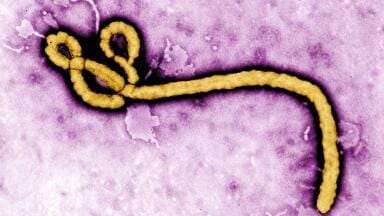
Lassa fever is a viral haemorrhagic illness caused by Lassa virus. The World Health Organization has identified it as a public health threat in western Africa and has listed it as a priority disease for research and development. Like Ebola virus disease, it can cause severe illness and periodic outbreaks, although many infections can be mild and go undetected.
According to the Africa Centres for Disease Control and Prevention based in Addis Ababa, Ethiopia, infections of Lassa virus occur in about 300,000 people each year and cause about 5,000 deaths. Researchers have warned, however, that these figures are likely to underestimate the true burden because surveillance and diagnostic capacity remain limited in many affected regions.
The disease poses a particular risk in pregnancy with more than 80 per cent of late-term infections resulting in the death of the mother or foetus. At the same time, many areas where Lassa fever is endemic, including parts of western and sub-Saharan Africa, also face a substantial burden from rabies. Rabies is almost always fatal once symptoms develop, although it can be prevented if vaccination occurs before or soon after exposure.
“This vaccine is designed to protect against two viruses of global health importance,” said study principal investigator Dr. Justin Ortiz, professor of medicine at the University of Maryland School of Medicine and a vaccine researcher at the Center for Vaccine Development and Global Health (CVD) which is based at the university.
“By combining targets into a single product, it could reduce the need for separate vaccination efforts and streamline delivery in settings where access is limited,” he said.
The randomised, controlled trial involved 54 healthy adult volunteers drawn from the Baltimore area. Participants were assigned to receive different doses of the investigational vaccine with an adjuvant or a licensed rabies vaccine used as a control. An adjuvant is an added substance designed to strengthen or shape the immune response to a vaccine.
Participants received two vaccine doses given 28 days apart upon which researchers assessed immune responses through to 61 days post-vaccination for an interim analysis. The results indicated that LASSARAB caused no serious vaccine-related adverse events and – importantly – induced rapid, robust antibody responses against both Lassa virus and rabies virus. By contrast, the licensed rabies vaccine control induced an immune response against rabies virus only.
The study remains in progress, with researchers set to continue to assess safety and immune responses through 394 days after vaccination. If the vaccine continues to show sustained immune responses and a favourable safety profile, the research team expects to move towards more advanced clinical trials.
“This study highlights CVD’s commitment to tackling diseases of global significance,” said Dr. Stefan Kappe, director of the CVD and the Myron M. Levine Endowed Professor of Paediatrics.
“LASSARAB not only targets diseases of concern but utilises a platform that could make distribution attainable in the areas of the world that are most affected by these diseases,” he said.
The CVD was founded in 1974 and carries out vaccine, infectious disease and clinical trial research intended to reduce the global burden of infectious diseases through research, training and public health impact.
The LASSARAB vaccine was developed by a team at Thomas Jefferson University led by Professor Matthias Schnell, director of the Jefferson Center for Vaccines and Pandemic Preparedness both based in Philadelphia, USA. The candidate vaccine uses an inactivated rabies virus platform engineered to express the Lassa virus glycoprotein complex on the surface of the virus. This design, therefore, aims to prompt the immune system to recognise components of both pathogens.
The researchers noted that an important practical feature of the investigational vaccine was it has the potential to be freeze-dried in order to be stored. This should help to support distribution in areas where it is difficult to maintain the chilled supply chains that are often needed to keep vaccines stable during transportation and storage.
“Climate change is causing Lassa fever to extend its reach far beyond its Nigerian and West African origins, putting an estimated 700 million people at risk,” said Dr. Mark T. Gladwin, dean of the University of Maryland School of Medicine.
“By 2070, the number of countries across Africa that will [have] ecological conditions suitable for Lassa virus spread could drastically increase, so a vaccine to prevent this deadly infection is desperately needed,” he added.
For further reading please visit: 10.1038/s41591-026-04429-z
ILM 51.6 Sept 2026



 Product directory



















,-photo-Karin-Allander.jpg)




.jpg)
