Research news
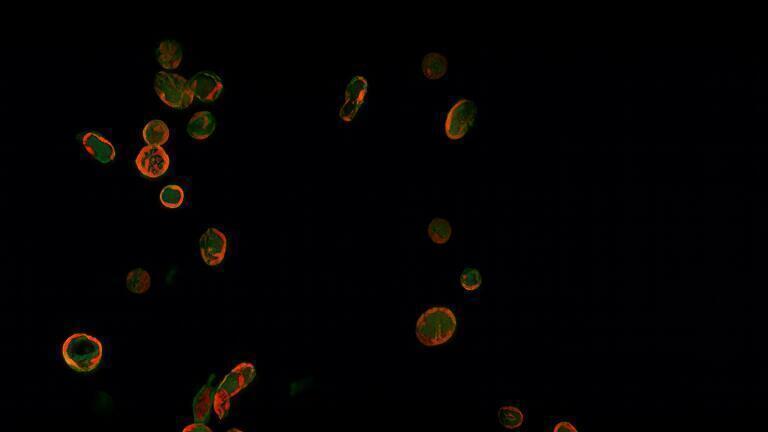
Scientists at the Charles Perkins Centre, University of Sydney, Australia have reported a major discovery that may transform treatment for type 2 diabetes and reduce the risk of heart attack and stroke. The research has identified a protein in blood platelets that drives dangerous clot formation, opening the way to novel therapies for blood clot prevention.
The study was led by Associate Professor Freda Passam of the University of Sydney Central Clinical School and Associate Professor Mark Larance of the University of Sydney School of Medical Sciences. The team discovered that a protein known as SEC61B was significantly elevated in the platelets of people with type 2 diabetes. The protein disrupted calcium balance inside platelets, which made them more prone to clump together and trigger clot formation.
“People living with type 2 diabetes were vulnerable to increased risk of blood clots.
“These findings identified a whole novel way to reduce this risk and to help prevent life-threatening complications such as heart attack and stroke,” said Associate Professor Passam.
The researchers showed that by blocking SEC61B activity with the antibiotic anisomycin platelet aggregation was reduced in both human blood samples and in diabetic mouse models. Using advanced proteomic techniques, they demonstrated that SEC61B caused calcium leakage from storage sites within platelets, making the cells more reactive and more likely to form clots.
Cardiovascular disease remains one of the leading causes of death in people with type 2 diabetes. Traditional anti-coagulant drugs are often less effective in patients with type 2 diabetes due to heightened platelet activity, leaving fewer options for stroke and heart attack prevention.
Although therapies targeting SEC61B are still experimental, the researchers stated that pre-clinical trials in animals could begin within one to two years. If successful, potential treatments may become available to patients within the next decade.
For further reading please visit: 10.1172/JCI184597
ILM 51.6 Sept 2026



 Product directory



















,-photo-Karin-Allander.jpg)








.jpg)
