Research news
Refined stem cell protocol has delivered high-purity, glucose-responsive insulin-producing cells that restore blood sugar control in preclinical models, which strengthens the case for cell replacement therapy in type 1 diabetes
Researchers at Karolinska Institutet and KTH Royal Institute of Technology, Stockholm, Sweden, have developed an optimised method to generate insulin-producing cells from human stem cells, with findings that have demonstrated robust glucose responsiveness in vitro and reversal of diabetes in mouse models.
The study has addressed longstanding technical barriers in the differentiation of stem cells into functional pancreatic beta-like cells, a key objective in efforts to treat Type 1 diabetes (T1D) through cell replacement strategies.
T1D arises when autoimmune destruction eliminates insulin-producing beta cells in the pancreas, which prevents physiological control of blood glucose concentrations. Cell replacement therapies have therefore attracted sustained interest, yet previous differentiation protocols have often produced heterogeneous populations with inconsistent functional capacity.
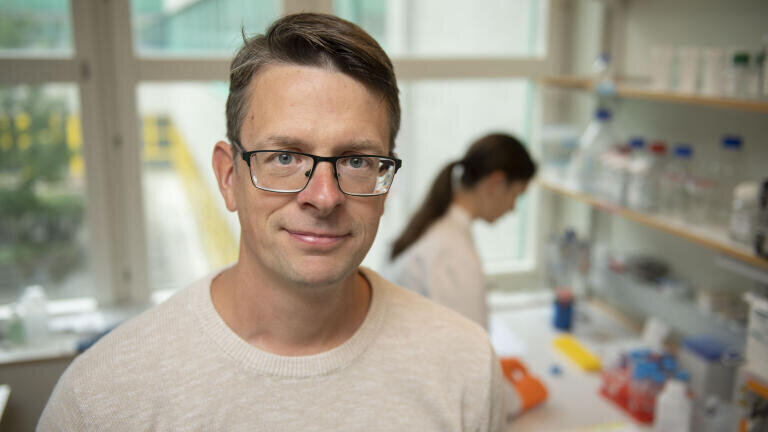
“We have developed a method that reliably produces high-quality insulin-producing cells from multiple human stem cell lines. This opens up opportunities for future patient-specific cell therapies, which could reduce immune rejection,” said Dr. Per-Olof Berggren, professor at the department of molecular medicine and surgery at the Karolinska Institutet and corresponding author.
The refined protocol has yielded a higher proportion of mature and functionally competent insulin-producing cells than earlier approaches. In laboratory conditions, these cells have secreted insulin in response to glucose stimulation with marked sensitivity which indicates a closer approximation to endogenous beta cell physiology.
In vivo validation has further supported these findings. Following transplantation into diabetic mice, the engineered cells restored glycaemic control over time. The research team implanted the cells within the anterior chamber of the eye, a well-established experimental site that permits longitudinal observation of graft development and function with minimal invasiveness.
“This is a technique we use to monitor the development and function of the cells over time in a minimally invasive way,” explained Berggren.
“We observed that the cells gradually matured after transplantation, retaining their ability to regulate blood sugar for several months which demonstrates their potential for future treatments [in the clinic],” he added.
Stem cell-based interventions for T1D have already entered early-stage clinical evaluation, yet translational progress has remained constrained by two principal limitations. First, differentiation protocols have frequently produced mixed cell populations, which introduces safety concerns and reduces therapeutic precision. Second, the resultant insulin-producing cells have often lacked sufficient maturity to respond appropriately to physiological glucose fluctuations.
The present study has addressed both constraints through targeted modification of culture conditions. By refining sequential differentiation steps and permitting cells to self-organise into three-dimensional clusters, the researchers have reduced the emergence of off-target cell types while enhancing glucose responsiveness. This self-assembly process appears to support more physiologically relevant cellular architecture and maturation trajectories.
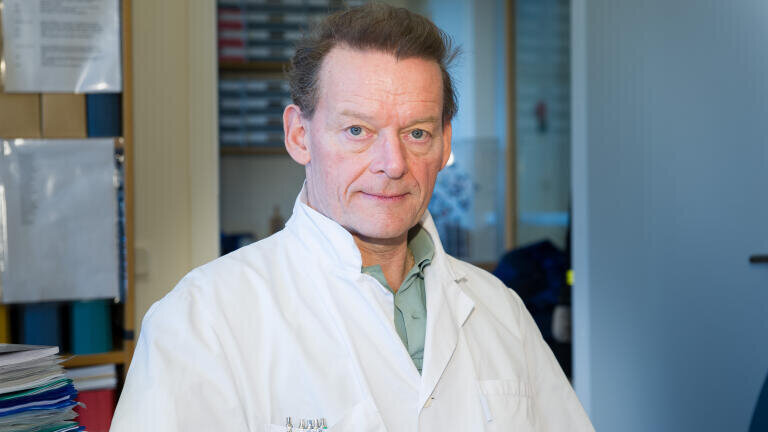
“This could solve several of the problems that have previously hindered the development of stem cell-based treatments for T1D. Building on this, we will work towards clinical translation aiming at treating T1D,” said Dr. Fredrik Lanner, professor at the department of clinical science, intervention and technology at Karolinska and senior author of the study.
Taken together, the findings have provided a compelling proof of concept for scalable production of functional insulin-producing cells with improved purity and maturity.
For further reading please visit: 10.1016/j.stemcr.2026.102892
ILM 51.6 Sept 2026



 Product directory















,-photo-Karin-Allander.jpg)




.jpg)
