Research news
Researchers have shown that the most common rifampicin-resistance mutation in Mycobacterium tuberculosis not only helps the pathogen evade one of the world's most important antibiotics but also creates metabolic vulnerabilities that could provide targets for future combination therapies against drug-resistant tuberculosis
A mutation that allows Mycobacterium tuberculosis to resist one of the most important antibiotics used to treat tuberculosis (TB) may also create previously unrecognised weaknesses that future therapies could exploit, according recent to research.
The research was led by scientists in the laboratory of Professor Jeremy Rock at Rockefeller University, Manhattan, New York, USA. The team sought to determine whether resistance-associated weaknesses arose simply because resistant bacteria grew less efficiently, or whether the altered enzyme itself fundamentally changed bacterial physiology in a way that could reveal specific therapeutic opportunities.
The study revealed that the most common rifampicin-resistance mutation alters the behaviour of a key bacterial enzyme, creating metabolic liabilities that leave the pathogen vulnerable to disruption of essential biological pathways. The findings raise the possibility that future combination therapies could exploit these weaknesses to improve treatment outcomes and limit the spread of antibiotic resistance.
TB remains the world’s deadliest infectious disease, causing more than a million deaths each year. Despite decades of progress in diagnosis and treatment, the disease continues to place a substantial burden on healthcare systems worldwide. A major challenge has been the steady rise of drug-resistant strains of Mycobacterium tuberculosis, the bacterium responsible for the disease.
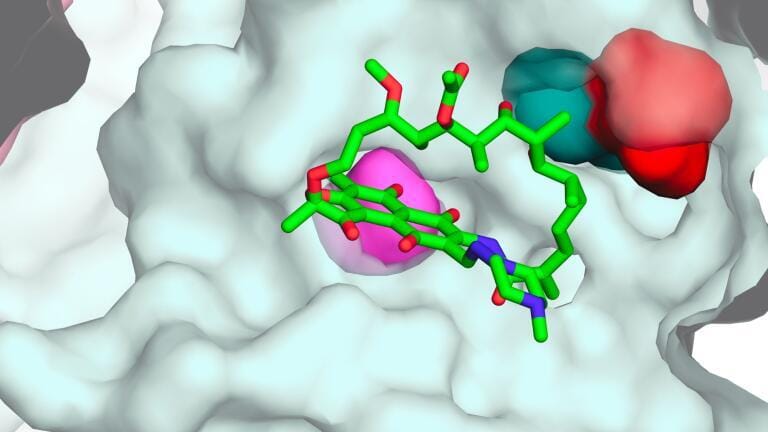
Much of modern TB treatment relies on rifampicin, a cornerstone antibiotic that targets bacterial RNA polymerase. This enzyme is responsible for transcription, the process through which genetic information stored in DNA is converted into RNA and subsequently used to direct cellular activity. By binding to the beta subunit of RNA polymerase, rifampicin prevents the bacterium from producing RNA effectively, thereby disrupting vital biological functions.
“Rifampicin has historically been part of the backbone of TB treatment,” said Dr. Kathryn Eckartt, who conducted the work as a doctoral candidate in the laboratory of Jeremy Rock and is now a postdoctoral fellow at Weill Medical College also in New York City.
“So as Rifampicin resistance slowly makes this drug unusable, a lot of lives are in danger,” she said.
“We’re developing a strategy to stay ahead of drug resistance,” said Rock.
“With combination therapies, we could exploit the fact that a mutation that helps the bacteria survive one antibiotic renders it vulnerable to another,” he added.
Previous studies had already demonstrated that the most common rifampicin-resistance mutation – βS450L – prevents effective binding of rifampicin to RNA polymerase. Earlier work also indicated that this altered enzyme operates more slowly than its normal counterpart and is more likely to pause, stall or terminate transcription prematurely.
Researchers had additionally observed that bacteria carrying the mutation displayed unusual sensitivity when approximately 150 other genes were disrupted. However, the underlying cause of this vulnerability remained unclear.
“Basic science gives us the tools to understand what’s changing in these kinds of situations. We hoped that we could then use that knowledge to inform the development of drugs that target weaknesses unique to these mutations,” said Eckartt.
To investigate the mechanism in greater detail, the researchers collaborated with scientists in the Shixin Liu laboratory at Rockefeller and compared the βS450L mutation with two other common rifampicin-resistance mutations that have the opposite effect on RNA polymerase activity. Whereas βS450L produces a slower, pause-prone enzyme, the alternative mutations generate faster forms of RNA polymerase that are more resistant to transcriptional pausing.
This comparison allowed the team to separate the effects of drug resistance itself from the specific consequences of altered transcriptional behaviour. The results demonstrated that the severe metabolic vulnerabilities associated with βS450L were directly linked to its unusually slow transcription machinery rather than to general defects in bacterial growth.
The analysis also revealed that different resistance mutations create distinct biological consequences. Even the two faster mutations generated unique patterns of vulnerability, suggesting that rifampicin resistance cannot be viewed as a single biological state.
“Not all rifampicin-resistance mutations behave the same way,” said Vanisha Munsamy-Govender, who is laboratory manager in the Rock lab.
“Future therapies may need to account for the specific resistance mutations present in an infection,” she said.
Munsamy-Govender had previously worked with TB patients and drug-resistant infections in South Africa.
“I have firsthand insight into the devastating impact these infections have on patients and healthcare systems,” she said.
“These experiences shaped my interest in understanding not only how mycobacterium tuberculosis develops resistance but also whether resistance mutations create vulnerabilities that could be exploited.”
Further investigation revealed that bacteria carrying the βS450L mutation became highly dependent on pathways involved in the production of thiamine – vitamin B1 – and branched-chain amino acids. The researchers traced this dependency to a regulatory RNA sequence located before the ilvB1 gene.
Under normal circumstances, this element functions as a molecular switch. It senses nutrient availability and determines whether transcription should continue, enabling production of the IlvB1 enzyme that supports amino acid synthesis during periods of nutritional stress.
In bacteria carrying the βS450L mutation, however, the altered RNA polymerase frequently stalled at this checkpoint. As a result, the organism struggled to activate critical metabolic pathways when nutrients became scarce. The researchers suggested that this effect may represent part of a broader breakdown in cellular regulation caused by the mutation.
Based on these observations, the team predicted that βS450L bacteria would be particularly susceptible to disruption of the ilvB1 pathway. To test the hypothesis, they exposed the organisms to chlorflavonin, an experimental compound known to inhibit the IlvB1 enzyme.
The results confirmed the prediction. Bacteria carrying the βS450L mutation proved substantially more sensitive to chlorflavonin than strains carrying other rifampicin-resistance mutations. The finding is particularly noteworthy because IlvB1 has already attracted attention as a promising target for future TB drug development.
“We showed that the most common rifampicin-resistance mutation does more than just help the bacteria evade antibiotics – it creates new weaknesses,” said Munsamy-Govender.
“Exploring these trade-offs could help guide the development of combination therapies designed not only to treat TB but also to limit the emergence and persistence of drug resistance itself,” she said.
Although the findings provide an encouraging proof of concept, the researchers emphasised that significant work remains before such an approach could reach clinical practice. Chlorflavonin itself is not currently suitable for therapeutic use and further studies will be required to determine whether these vulnerabilities can be targeted safely and effectively in patients with drug-resistant TB.
“But our work shows that if we understand the biology deeply enough, drug discovery can build on that understanding to design rational combination therapies for TB,” Rock explained.
For further reading please visit: 10.1038/s41564-026-02357-9
ILM 51.6 Sept 2026



 Product directory



















,-photo-Karin-Allander.jpg)






.jpg)
