Research news
Researchers have uncovered an unexpected immune strategy in barley that could help engineers develop crops resistant to multiple major plant diseases.
The study [1], led by The Sainsbury Laboratory and the John Innes Centre in Norwich, reveals that plants can use molecular mimicry to detect invading pathogens - effectively turning a pathogen’s own infection strategy against it.
Published in Science, the work shows that barley immune receptors can resemble host proteins normally targeted by fungal pathogens. This allows them to act as decoys, intercepting pathogen effector proteins and triggering immune defences before infection becomes established.
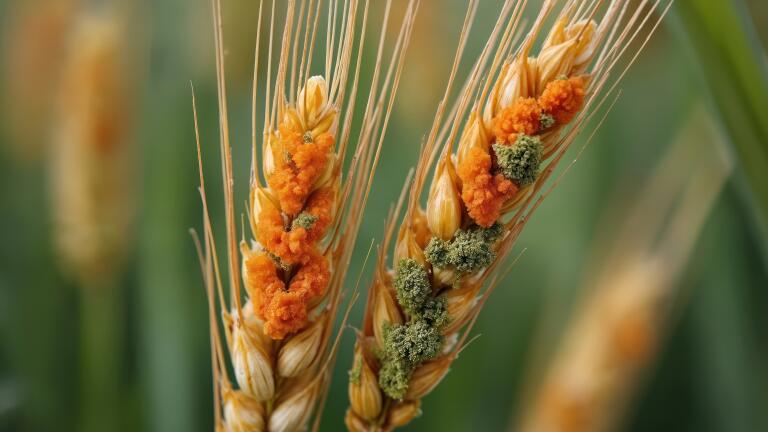
The researchers focused on the blast fungus Magnaporthe oryzae, one of the world’s most destructive crop pathogens, which affects key cereals including rice, wheat and barley and contributes significantly to global food losses each year.
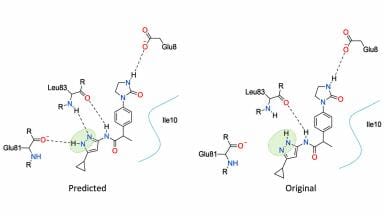
Using AlphaFold-based structural modelling, the team identified a close similarity between a barley immune receptor and a host protein that is typically hijacked by the fungus to suppress plant immunity. This structural mimicry appears to allow the receptor to bind the fungal effector and activate immune signalling.
The discovery was then used to engineer an improved immune receptor in rye that already provides resistance to stem rust. By incorporating the mimicry-based recognition feature, researchers created a modified receptor capable of recognising both stem rust and blast fungus.
When tested in barley plants, the engineered receptor conferred resistance to both diseases, demonstrating the potential for designing immune receptors with expanded recognition capacity.
Professor Nick Talbot, co-author and Executive Director of The Sainsbury Laboratory, said the findings highlight how new computational tools can be used to translate fundamental biology into practical applications.
“This breakthrough has revealed how molecular mimicry can be used by plants to defend themselves against pathogen attack. Using computational structural modelling, we now have an opportunity to develop more durable resistant crops in future.”
The researchers say the work provides a blueprint for developing crops with broader and longer-lasting resistance by engineering immune receptors capable of targeting multiple pathogens.
More information online
ILM 51.6 Sept 2026



 Product directory



















,-photo-Karin-Allander.jpg)


.jpg)



.jpg)
