Mass spectrometry & spectroscopy
Published over 9 years ago. See the latest and most current information on Mass spectrometry & spectroscopy.
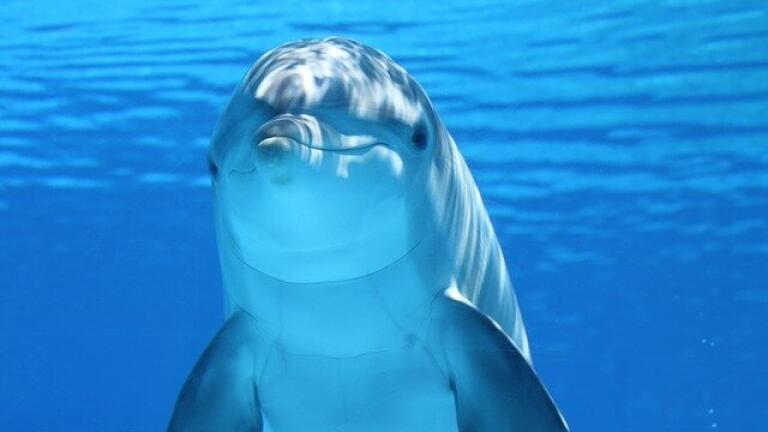
Famously intelligent, dolphins are one of the world’s smartest animals. Now, they’re now set to play an important role in marine conservation. In a bid to save its critically endangered population of Vaquita Porpoises, the Mexican government has announced a radical plan to deploy a team of military dolphins. Working together, they’ll track down the last remaining porpoises and help conservationists relocate them to a safer habitat.
Dolphins used to herd fellow marine mammals
According to experts, there are just 30 Vaquita Porpoises left in the wild. This puts them at extreme risk of extinction, and makes them on of the most endangered species on the planet. While the animals themselves aren’t hunted, a huge number of deaths occur as a result of fishing. To save the population, conservationists have developed a plan that will see the porpoises moved to a specially protected marine refuge within the Gulf of Mexico. And dolphins will play a pivotal role in getting them there.
Set to hit the Gulf of California in September, the dolphins have been trained by the US Navy. While they’re usually deployed to seek out underwater mines and divers, the dolphins will instead track down the last remaining Vaquita Porpoises. They’ll then surface to the boat, which will allow conservationists to capture and relocate the animals to their new habitat.
Known as Seal Team 6, the dolphins have already excelled at seeking out harbor porpoises in the San Francisco Bay area. Now, Mexican Environment Minister Rafael Pacchiano has confirmed that the ultra-intelligent aquatic mammals will be used to save the rare species of endemic porpoise. He’s also implemented a permanent ban on using gill nets.
“This is a fantastic and encouraging step forward in the path to saving the vaquita, provided the ban is fully enforced and accompanied by fishing alternatives for local communities,” comments Jorge Rickards, acting CEO of WWF Mexico. “Today could mark a turning point for the world’s most endangered marine mammal, as this permanent ban on gillnets removes the only known threat to the vaquita.”
Together, the two initiatives will now give Vaquita Porpoises a chance to stave off extinction, and continue to endure as the world’s smallest, and most endangered cetaceans.
Human activity is putting an increasing number of species at risk, and the Vaquita Porpoise isn’t the only species under threat. In Europe’s temperate zone forests, certain species like beech are especially vulnerable. For a closer look at how forestry groups are managing the issue, ‘Leaf Polyphenols as Indicators of Climatic Adaptation of Beech (Fagus sylvatica L.) – an HPLC-MS/MS via MRM Approach’ explores the strategic use of antioxidant leaf polyphenols, which could arm some trees with powerful chemical defence mechanisms.
ILM 51.6 Sept 2026





 Product directory