Microscopy & microtechniques
Published over 12 years ago. See the latest and most current information on Microscopy & microtechniques.
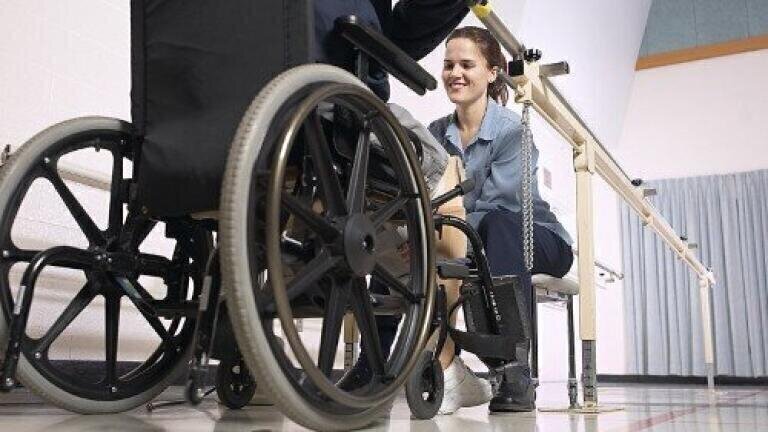
People that have suffered spinal cord injuries could regain control of their bladder thanks to a new device that has shown positive results in animal testing. The University of Cambridge has led new research that may be able to restore bladder function to those that have been paralysed by a severed spinal cord.
This type of injury means that people are unable to feel when the bladder is full and are unable to control when it releases. The nerve damage that occurs from spinal injuries of this magnitude can make it difficult for patients to overcome the physical and psychological implications of their situation. Many patients cite the loss of sexual, bladder and bowel function as having the largest impact on their quality of life following the severing of their spinal cord.
A new study, published in the journal 'Science Translational Medicine', reveals that a device can be fitted that reads the signals being sent from the remaining nerves. These signals could then be used to control the bladder, restoring control to the patient.
Severing of the spinal cord means that the bladder and the brain are unable to communicate, but researchers have found a way to use the nerves that remain functional around the bladder. Placing electrodes around the nerves can read the signals from the nerves that say when the bladder is full. Stimulation can then be provided to other nerves around the bladder, which will result in it contracting and releasing, rather than releasing when it has to without the patient being aware.
Doctor Daniel Crew, one of the researchers from the University of Cambridge told the BBC that so far the device has proved successful when tested on rats. At the moment the research is hampered by the need to miniaturise the technology that is used to process the nerve's signals. Although the electrode device could be sized for humans, the process equipment has yet to be made into a portable, hand-held device.
ILM 51.6 Sept 2026




 Product directory