Microscopy & microtechniques
Published over 13 years ago. See the latest and most current information on Microscopy & microtechniques.
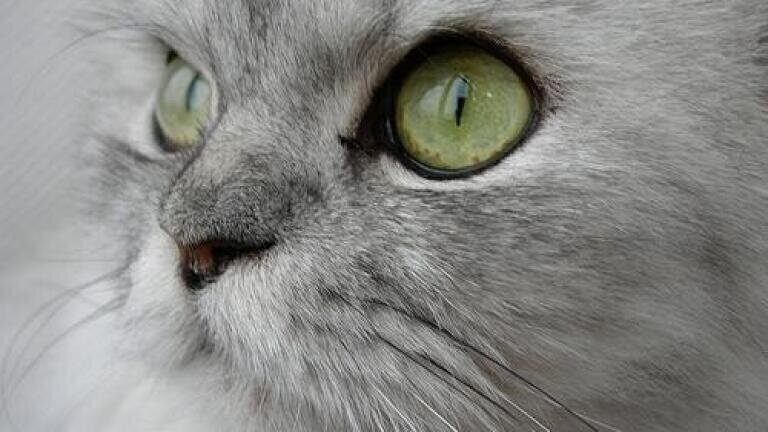
Cats could be the key to the development of a vaccine for HIV. Researchers from the University of California and the University of Florida found that an immune response was created in blood from human patients that have HIV against the feline version of the AIDS virus protein.
The feline version of the AIDS virus, feline immunodeficiency virus (FIV), is very similar to the human HIV-1, Janet Yamamoto, professor of retroviral immunology at the College of Veterinary Medicine at the University of Florida, told Medical News. The researchers extracted T cells from humans that are HIV positive in order to test whether they reacted to some aspects of the FIV protein.
It was found that the small parts of the FIV protein incited a response in the human HIV positive T cells. The T cells reacted by distinguishing viral proteins located on those infected with HIV and then attacking them.
However, not all of the HIV peptides were found to work in the same way, according to Professor Yamamoto. The study found that some of the FIV peptides served to increase the HIV infection, while others stop working if the virus mutates, said Professor Yamamoto.
The new research is promising compared to previous work performed on protein-based vaccines. It was found that vaccines that were based on entire HIV proteins did not result in a strong enough reaction to warrant the creation of a commercial vaccine.
It is hoped that the feline version of the virus might also help to reveal other areas of the human HIV virus. This could then lead to a new development strategy for a HIV vaccine.
Professor Yamamoto said: “We had difficulty in identifying ways to select regions on HIV-1 for HIV-1 vaccine. Our work shows how to select the viral regions for HIV-1 vaccine. The regions on FIV or their counterpart on HIV-1 that have anti-HIV T cell activities can be used as a component for human HIV-1 vaccine.”
ILM 51.6 Sept 2026




 Product directory