Microscopy & microtechniques
Published over 13 years ago. See the latest and most current information on Microscopy & microtechniques.
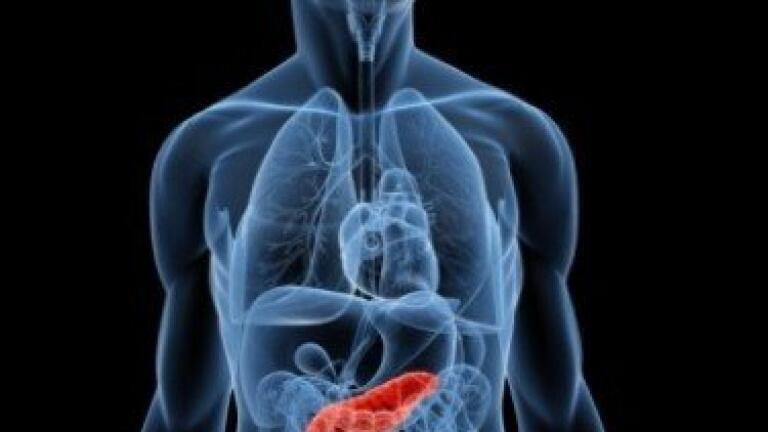
A new breakthrough could allow more diabetes patients to undergo cell transplants in order to help with the natural production of insulin. The technique could enable more people suffering from diabetes to have pancreas cells transplanted that have had their function altered in order to produce insulin.
So far the technique has only been treated on mice, but could be beneficial for those suffering from type 1 diabetes who need to undergo an islet cell transplantation. This type of transplant is used to help reduce the likelihood of life-threatening complications that can often result from diabetes.
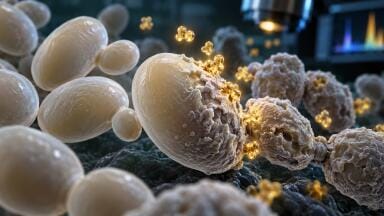
Islet cells are found within the pancreas and produce insulin, which is required for the body to store glucose. Unfortunately, islet cells are required from at least two donors to carry out a single transplant, as not enough cells can be gathered from one donor. This results in longer waiting times for patients suffering from type 1 diabetes. Some patients end up having to wait months for another pancreas to become available to provide enough cells.
This new technique could mean that other cells, other than islet cells, could be suitable for transplants. The study, performed by the University of Aberdeen, the medical Research Council Centre for Regenerative Medicine at the University of Edinburgh and the Scottish National Blood Transfusion Service and published in the journal 'Diabetes', shows that other pancreatic cells can be altered so as to produce suitable levels of insulin.
A second donor would not be needed for a transplant, drastically reducing waiting times. Organs would also be made available for other patients, allowing for the treatment of more patients in a shorter amount of time.
The new process would involve a transplant of islet cells and a second transplant, once the other cells had undergone treatment to make them produce insulin, shortly after. The transplanting of a larger amount of cells means that the operations would last for a longer period time, reducing the need for further treatment early on.
ILM 51.6 Sept 2026





 Product directory