Microscopy & microtechniques
Published over 13 years ago. See the latest and most current information on Microscopy & microtechniques.
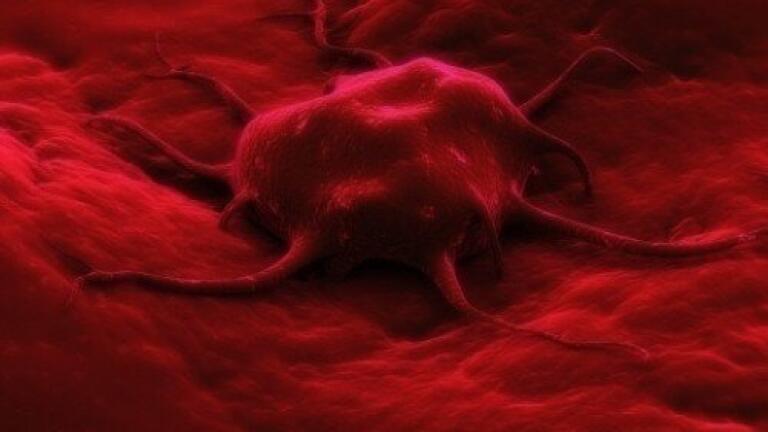
A Phase III clinical trial has been researching the effects of selectively purging blood stem cells of tumour cells before transplanting them back into patients following chemotherapy treatment of high-risk neuroblastoma.
This is the first randomised clinical trial exploring the effect that this form of stem cell purging can have upon a patient's recovery. The focus upon neuroblastoma is due to the fact that this type of tumour is the second most common type of solid tumour diagnosed in children. Around 50 per cent of all the children who are diagnosed with this tumour have high-risk disease, resulting in a lower chance of positive response to treatment. Their chances of survival are also halved.
The standard treatment for children suffering from High-risk neuroblastoma is strong dose chemotherapy to kill the tumour cells. Unfortunately, this course of treatment can also kill the normal blood-forming cells within the bone marrow. An autologous peripheral blood stem cell treatment is used to stop this happening. This treatment involves the removal of some immature blood cells before chemotherapy treatment, which are then re-infused afterwards.
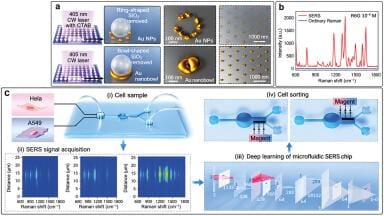
The stem cells collected before chemotherapy can contain tumour cells as neuroblastoma can spread via the bone marrow and blood. In order to see whether the re-infusion of tumour cells could be mitigated, Doctors Robert Seeger and Patrick Reynolds, from the Children's Hospital Los Angeles, developed a technique that allowed them to remove the tumour cells from the extracted stem cells. By using antibodies, the team were able to make the tumour cells attach to magnetic beads; these beads were then removed using strong magnets.
The Phase III study selected random patients to receive the purged or non-purged stem cells following their course of high-dose chemotherapy. However, the study found that the purged stem cells did not have any significant effect upon patient outcome. This suggests that perhaps the chemotherapy did not successfully treat other tumour sites within the patients' bodies.
The expensive purging process can now be ruled out as an effective form of treatment, allowing for more time and funding to be spent on the development of new treatments. Future investigations will now focus upon ways of successfully killing chemotherapy-resistant tumour cells.
ILM 51.6 Sept 2026





 Product directory