The Surface Photo-Charge Effect (SPCE) has a broad range of applications including the development of
lab equipment for solids analysis, according to the Bulgarian Academy of Sciences.
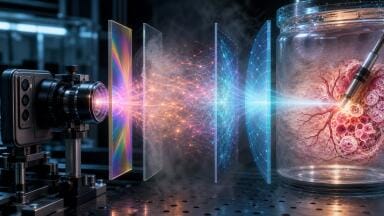
Research conducted at the facility has looked into the potential difference between an irradiated sample and the system's common electric ground into which it is placed.
According to the scientists, their findings could have applications in
lab equipment and in a variety of everyday consumer-facing products.
For instance, the ability to detect impurities means that filters can be checked to determine when they need to be replaced.
Coins can also be analysed quickly and easily, using a relatively small device, to determine whether they are counterfeit.
For
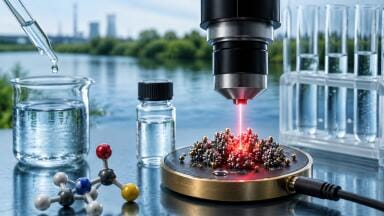
laboratories, the SPCE allows remote analysis of surfaces, including the deposition of chemicals from solution on to a solid.
The academy has nine main sections, covering disciplines of: natural, mathematical and engineering sciences; social sciences, humanity and art; and biological, medical and life sciences.






 Product directory