Microscopy & microtechniques
Published over 13 years ago. See the latest and most current information on Microscopy & microtechniques.
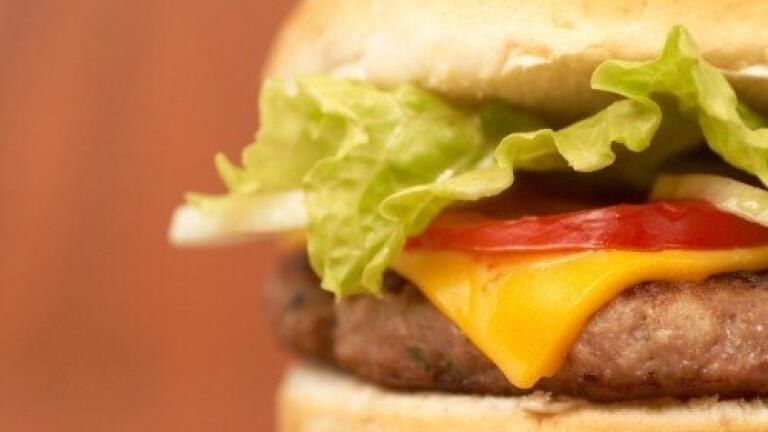
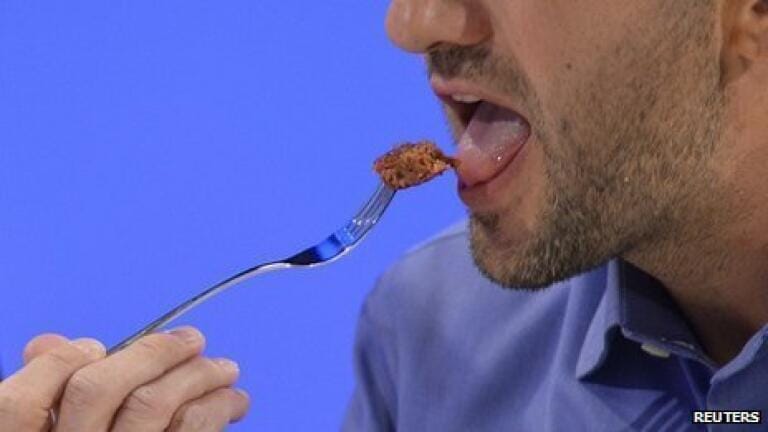
Today (August 5th) the first artificial meat burger in the world is being cooked and eaten in London. Professor Mark Post, of Maastricht University, Richard McGowan, a Cornish chef and Josh Schonwald, a Chicago food writer, are due to be some of the first people to try the test tube burger, which was grown from stem cells.
The burger is to be made from strands of protein that have been grown in a laboratory from cattle stem cells. Tens of thousands of these petri dish muscle strands will be used to create the €250,000 (£216,000) burger. It is hoped that the grown meat could provide an alternative to meat sourced from livestock.
Currently around 30 per cent of the usable surface of the Earth is utilised as pasture land for the rearing of animals. In comparison only around four per cent of the usable surface is utilised to feed humans directly. As well as the vast numbers of animals on the planet is the fact that a large proportion of greenhouse gases are produced by them. Around 40 per cent of the world's methane emissions are produced by livestock. The need for so much livestock has increased alongside the Earth's human population.
The majority of stem cell research in which the cells are used to grow tissue, centre on the growing of human tissue for the purposes of transplantation. However, Professor Post is using the very similar research in order to grow fat and muscle that can be utilised as a food source.
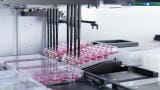
The stem cells are initially extracted from cattle and are then cultured in the laboratory to help them multiply. In around three weeks there are enough stem cells to use for the growing of muscle strips. The muscle strips are initially white, but in order to create a meat that looks as much like the meat that is taken from livestock, myoglobin - a naturally occurring compound - is added to the strips to make them red. The burger that is being debuted today is to be coloured with beetroot juice, as work is still being done upon successfully adding myoglobin.
At this moment in time, the researchers are only able to produce small amounts of meat. In order to produce larger amounts of the grown meat, researchers will require artificial circulatory systems. These systems would work to get nutrients and oxygen to the cells to aid with their growth.
ILM 51.6 Sept 2026


 Product directory