Microscopy & microtechniques
Published over 12 years ago. See the latest and most current information on Microscopy & microtechniques.
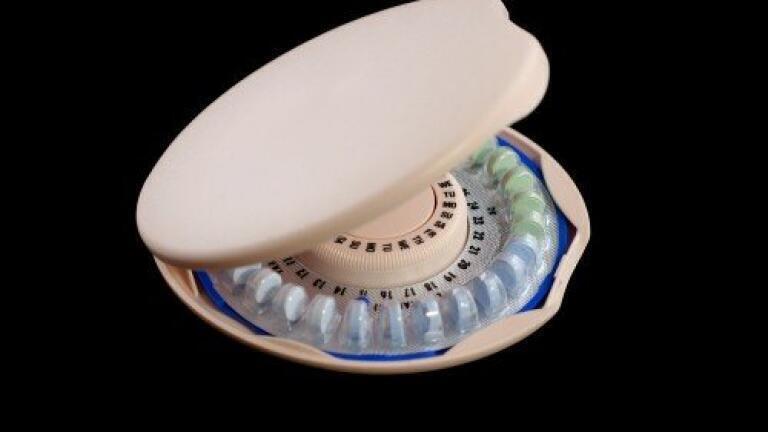
Researchers in Australia have made a development that could mean the male contraceptive pill is just around the corner. A reversible way of stopping sperm entering the ejaculate without any adverse effects on sexual function.
Rather than undergoing a temporary vasectomy to achieve the same effect, the new discovery could lead to a pharmaceutical alternative that would mean that men would only need to take a daily medication.
Scientists from Monash University published their findings in the journal 'Proceedings of the National Academy of Sciences'. The study shows that during animal testing they were able to stop sperm being mixed with ejaculate, effectively storing it so that it could not be released.
Previous work into the development of a contraceptive pill for men has looked at creating a medication that results in the production of sperm that does not function. However, many of the drugs that have been developed with this idea in mind have resulted in side effects that were intolerable for the subjects, according to Doctor Sabatino Ventura, one of the researchers on the study.
Rather than creating sperm that wasn't functional, the scientists created genetically modified mice that were not able to release sperm out of the vas deferens - the storage area for sperm within the testes that the sperm goes to just before ejaculation takes place. This means that the mice were infertile although they were still able to perform sexually.
The researchers have so far managed to alter the DNA of two mice, which has resulted in them becoming infertile by stopping them producing proteins that are needed to move sperm. They will now concentrate on finding two medications that achieve the same effect.
It is believed that one such medication has already been developed and has been used for a number of years to treat patients suffering from benign enlarged prostate. Work will have to begin from the start in developing the second drug, which could take a number of years.
ILM 51.6 Sept 2026




 Product directory