News
The UK’s Food Standards Agency National Food Crime Unit has arrested a 61-year-old man and seized more than 67,000 bottles of alcohol suspected to be counterfeit from warehouses in north London and Essex, in a case that has shed light on the scale of food and drinks fraud in the UK
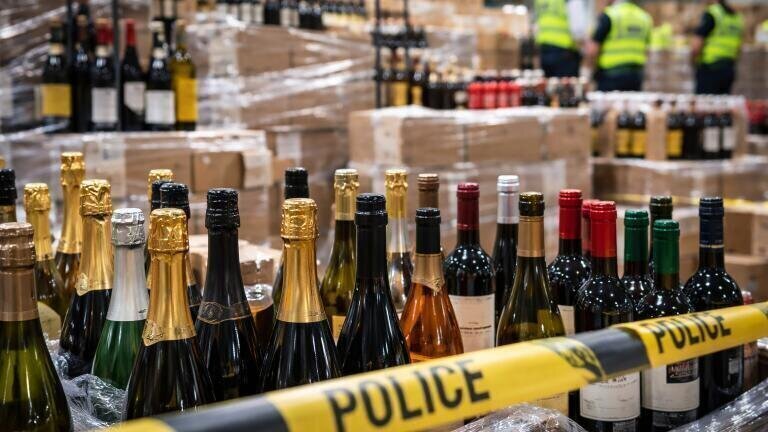
A man has been arrested after an operation led by the UK’s Food Standards Agency (FSA) National Food Crime Unit (NFCU) led officers to seize an estimated £500,000 worth of counterfeit wine and prosecco.
The enforcement action took place on 3 March 2026 and involved officers from the NFCU, supported by the Metropolitan Police. During the operation, authorities seized 90 pallets of wine and prosecco from three warehouses across north London and Essex. The haul contained more than 67,000 bottles and had an estimated retail value of around half a million pounds.
A 61-year-old man was arrested on suspicion of conspiracy to defraud in connection with the alleged importation and distribution of counterfeit and misrepresented alcohol products. He was later released under investigation as enquiries continue.
The case has drawn attention to the breadth of partnership work often required to tackle organised food fraud. The operation involved the Metropolitan Police and its North Regional Organised Crime Unit Gangs Partnership and Safer Neighbourhood Teams, alongside the local authority in the London Borough of Enfield, and its trading standards officers, nearby Epping Forest District Council, Essex Trading Standards, and the FSA’s dedicated Wine Inspection Team.
Although officials said there was no indication that a health risk was posed to the public, the scale of the seizure underlined the commercial and consumer harm that counterfeit alcoholic drinks can cause. Fraud of this kind can distort legitimate trade, damage confidence in regulated supply chains and leave consumers uncertain about the origin, authenticity and quality of the products that they are buying.
Counterfeit and misrepresented alcohol presents a particular challenge for enforcement bodies because such products may imitate branded or regulated goods closely enough to enter commercial circulation before concerns arise. Even where no immediate food safety risk is identified, the fraudulent substitution or mislabelling of products can amount to a serious breach of consumer protection law and can place compliant and legitimate businesses at a competitive disadvantage.
“Seizing more than 67,000 bottles of counterfeit product and making an arrest sends a strong message to those who seek to profit from deceiving consumers. We will take action.” said Andrew Quinn, head of the NFCU.
Quinn said the operation showed what could be achieved when agencies acted together with a shared purpose and thanked all the partner organisations involved in the operation for their professionalism and commitment throughout the investigation.
“Food fraud is not a victimless crime. It undermines legitimate businesses and erodes consumer trust. In this case, the concern is one of authenticity and quality – consumers deserve to know that what they are buying is exactly what it claims to be.
“The NFCU remains committed to protect consumers and to ensure that criminal activity has no place in the UK food system,” Quinn added.
The FSA said that anyone with concerns about a product they had purchased should contact their local trading standards service.
The seizure also serves as a reminder that food crime does not concern only counterfeit staples or adulterated ingredients. Premium and mass-market alcoholic drinks can also become targets where fraudsters believe brand recognition, packaging familiarity and high sales volumes may offer an opportunity to deceive retailers and consumers. In such cases, the issue may centre not on immediate toxicity or contamination but on provenance, composition and truth in labelling.
For consumers, the central issue remains trust. A bottle sold as wine or prosecco should match its description, origin and quality claims. For regulators and enforcement agencies, the case illustrates the importance of intelligence-led operations, inter-agency co-operation and specialist inspection expertise in order to identify suspect stock before it spreads further through the market.
ILM 51.6 Sept 2026



 Product directory





























.jpg)
