Autoclaves
Many questions arise when selecting a new autoclave. How large should it be? How easy is it to operate? Is it energy efficient? Does it come from a reputable manufacturer that can support it throughout its working life? Myriad questions swirl like sterilising steam, but one should always come before the others: what is being sterilised?
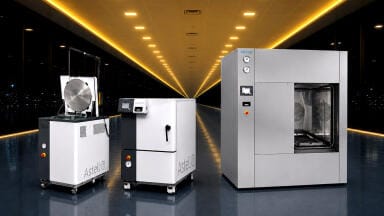
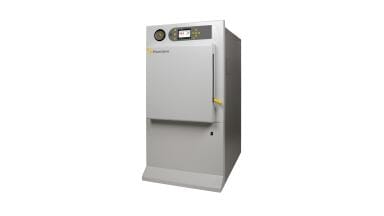
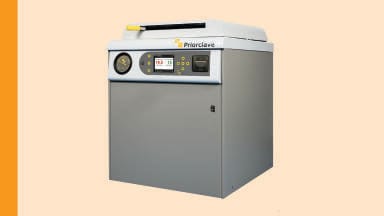
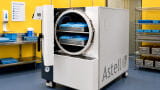
Astell designs and manufactures autoclaves, but also services and validates them throughout their operation. This provides an unusually direct view of how the machines are actually used after installation. An anonymised review covering more than 100 laboratories reveals both a common workload and some striking differences between sectors.
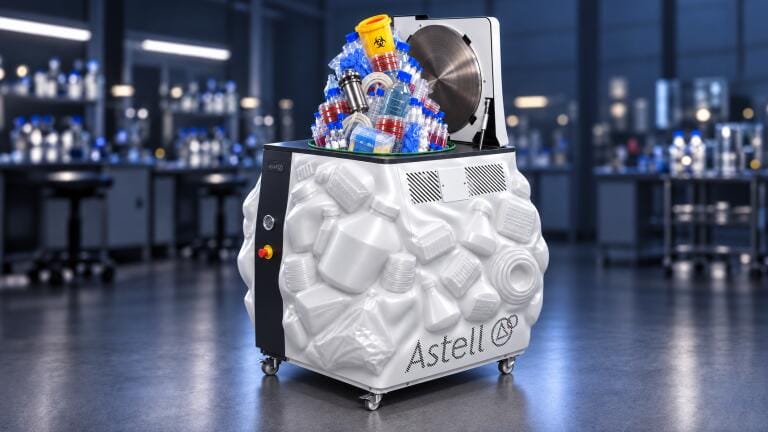
Across almost every type of laboratory, Duran bottles—particularly 500 ml and one-litre sizes—appear more frequently than any other individual item. They are commonly accompanied by Petri dishes and plates, tubes, vials, universals and pipette-tip boxes.
Most laboratories also use their autoclaves in two directions: preparing clean materials for use and decontaminating waste before disposal. Sterilisation bags containing used plasticware, gloves, tissues and other laboratory waste are therefore as much a part of routine operation as bottles of media or water.
Beyond this common core, each sector develops its own distinctive load profile.
Plant and agricultural research facilities regularly process bulky quantities of spent soil, compost and plant material. Dense, bagged waste can trap air and obstruct steam penetration, placing greater importance on effective air removal and carefully developed discard cycles.
Pharmaceutical production is much more liquid-focused. Bottles, universals and process vessels dominate, making controlled heating, load-sensed cycle timing and validation evidence particularly important.
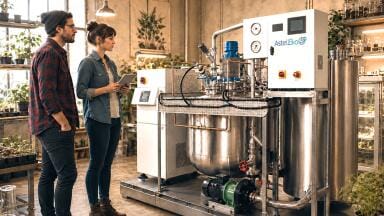
In filtration and bioprocessing facilities, the principal challenge is often neither bottles nor waste, but complex processing equipment. Filter housings, tubing and assemblies can contain difficult air pockets, encouraging the use of larger, vacuum-equipped autoclaves.
These differences have practical consequences. A chamber suitable for bottles may use space inefficiently when loaded with trays or waste containers. A cycle that works for an open glass vessel may not remove air adequately from a bagged discard load or intricate filter assembly. Features such as vacuum, load-sensed timing, accelerated cooling and drying should therefore be selected for a defined purpose—not simply added because they are available.
The evidence points to one dependable rule: specify the load before specifying the machine. Record the items being processed, their quantities, dimensions and packaging, as well as the required turnaround time. Include both routine and maximum loads, and distinguish clean preparation from waste decontamination.
Astell’s full analysis of what laboratories put in their autoclaves provides a detailed breakdown by facility type, covering the loads, chamber formats, cycle temperatures and equipment configurations found in practice.
Astell has been solving steam-sterilisation challenges since 1884, combining highly customisable autoclaves with in-house servicing and validation expertise. To discuss the loads your laboratory needs to process, contact the team today.
ILM 51.6 Sept 2026



 Product directory


.jpg)
.jpg)