Chromatography
Published over 15 years ago. See the latest and most current information on Chromatography.
The levels of phytoplankton or algae, the microscopic plant matter living in natural water sources, have risen considerably in recent years. This is often considered the result of the eutrophication of these
waters caused by the excess use of fertilisers and domestic or industrial wastes.
The toxic products of blue-green algae are widely published in the news but with any phytoplankton the period after an algal bloom can lead to the mortality of fish and other aquatic life as the
decaying material consumes vital dissolved oxygen.
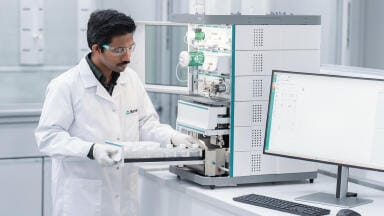
All algae contain chlorophyll a and measuring this photosynthetic pigment with a simple fluorimeter will give a quick indication of the total algal population. The Jenway range of filter fluorimeters has a model with an enhanced red-sensitive photomultiplier to ensure optimum sensitivity at the emission wavelength for this application. Method storage further enables the settings to be saved and re-called for future analysis while both laboratory and field analysis are possible. Bibby Scientific - Jenway.
ILM 51.6 Sept 2026

 Product directory