Chromatography
Published over 6 years ago. See the latest and most current information on Chromatography.
Bromate (BrO3-) in water is a result of using ozone to disinfect water. Naturally occurring bromide reacts with ozone to form bromate which is considered to be a cancer causing agent and a threat to the overall health of individuals should they be exposed to high levels in their drinking water.
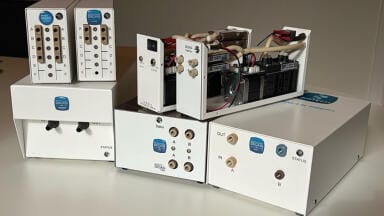
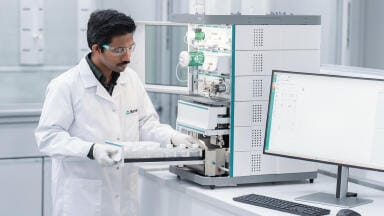
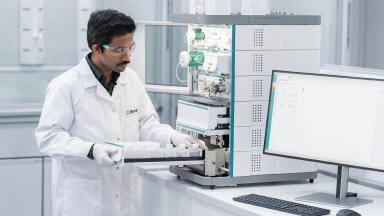
The UK drinking water quality regulations specifies a limit for bromate of 10 µg/L and this can be determined reliably using the Metrohm 947 Professional Detector Vario in combination with the patented Metrohm Dosino and new PCR Dosing Unit that can automatically prepare/empty prior to and post analysis.
This UV VIS specific method conforms to ISO 11206 and EPA 326.0 and ensures that should there be high levels of chloride or other anions present there is no interference.
Advantages of the Dosino include precise delivery of the PCR solution generating less waste, enhanced sensitivity, no external gases are required for PCR delivery and automatic washing of flow path with solvent can all be incorporated.
More information online
ILM 51.6 Sept 2026


 Product directory


.jpg)
.jpg)














.jpg)
