Company news
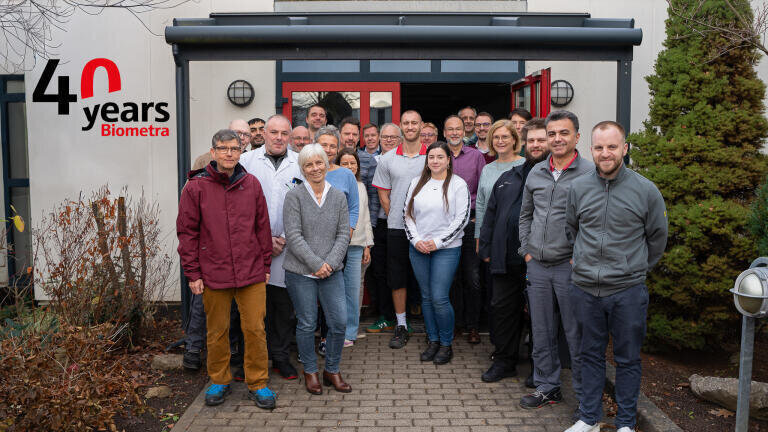
Since its founding in 1985, Biometra has quietly influenced how molecular biology labs operate. Now part of Analytik Jena, the brand has evolved from early electrophoresis systems into platforms that support automated, high-precision workflows.
From the start, the aim was simple: reliable tools to analyse DNA, RNA and proteins. Early electrophoresis instruments became staples in laboratories, but it was the introduction of PCR thermocyclers in the late 1980s that really changed the game, making DNA amplification faster, more accurate and accessible to more researchers. Through the 1990s, these systems helped drive the rapid expansion of molecular biology.
The 2000s brought new demands and new tools: DNA and RNA extraction, alongside qPCR systems, reflected a growing need for integrated molecular workflows. Joining Analytik Jena in 2009 broadened the portfolio further, spanning thermocycling, electrophoresis, imaging and hybridisation, while linking Biometra more closely to global research networks.
The technologies have been part of landmark science. Thermocyclers contributed to decoding the human genome, while PCR platforms proved critical during the COVID 19 pandemic, supporting widespread molecular diagnostics. Collaborations with research institutes have also translated emerging science into practical laboratory solutions.
Today, priorities have shifted towards efficiency, sustainability, and seamless integration into automated lab environments. “Our vision is to shape the next 40 years with the same courage and determination as the past,” says Eggert Appel, Head of Product Development at Biometra.
After 40 years, the story is less about legacy and more about adapting to the evolving needs of research and diagnostics - shaping how labs operate today and will work tomorrow.
More information online
ILM 51.6 Sept 2026



 Product directory


.jpg)
.jpg)