Gas chromatography
Outsourcing routine cannabis and hemp testing can slow production and increase costs. Potency, terpene, and residual solvent results often take days to return, leaving batches waiting while release decisions are put on hold.
The Gas Chromatography for the Cannabis & Hemp Industries — 200 Series Buyer’s Guide explains how producers, extractors, and manufacturers can move these core quality checks in-house. The focus is on practical testing that fits into real production environments, without the need for a full laboratory or specialist analytical staff.
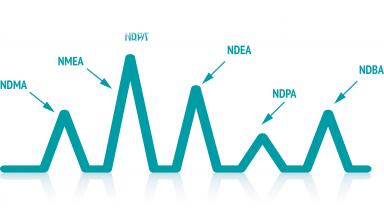
The guide begins by breaking down gas chromatography in simple terms. It explains how compounds are separated, what a chromatogram shows, and how calibration turns a signal into a number you can trust. Common terms such as retention time and detection limits are explained clearly, helping teams better understand the results they receive from third-party laboratories or generate themselves.
From there, the guide covers the applications most relevant to day-to-day production. Potency testing comes first, as it underpins compliance and label accuracy. The guide shows how cannabinoids such as THC, CBD, and minor compounds can be measured directly using the 200 Series GC, with results available in minutes. It also outlines how different methods can be used depending on whether total THC/CBD values are needed or whether acidic and neutral cannabinoids must be reported separately.
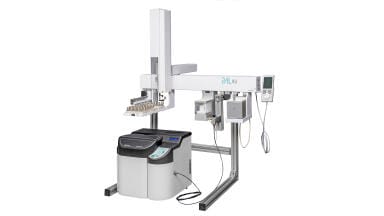
Terpene profiling is also covered, showing how producers can track aroma and flavour compounds numerically rather than relying solely on sensory checks. This makes it easier to spot batch-to-batch drift and maintain consistent product profiles. Residual solvent testing is explained using headspace sampling, helping confirm that solvents such as ethanol, butane, or propane have been fully removed before release. An overview of pesticide screening completes the core testing section.
The guide also looks at the practical side of getting started. Package options, software screenshots, and a realistic implementation timeline are included. In many cases, teams can begin running routine potency checks within hours of installation. By reducing per-sample lab fees and avoiding production delays, many producers recover their investment within the first year.
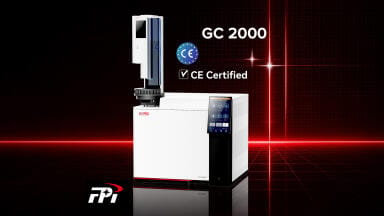
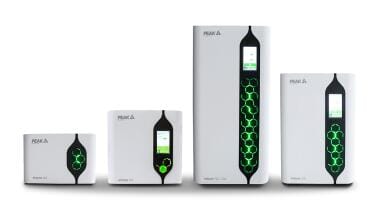
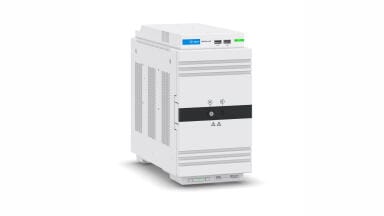
Designed for facilities with limited space, the 200 Series GC has a compact footprint and fits easily alongside existing equipment. The guide shows how in-house GC testing can become part of routine quality control, delivering fast, reliable data that supports confident release decisions.
Download the buyer’s guide today.
More information online
ILM 51.6 Sept 2026




 Product directory