Agilent Technologies Inc. and Kreatech Biotechnology BV have announced the availability of labeling kits that, for the first time, enable oligo microarray comparative genomic hybridization (CGH) analysis of DNA from formalin-fixed paraffin-embedded (FFPE) tissue samples.
The method is based on Kreatech's Universal Linkage System (ULS) technology, a non-enzymatic direct labeling methodology that has been optimized for Agilent oligo CGH microarrays. Enzymatic labeling can introduce bias while further reducing DNA fragment size. This new labeling technology also features a simple, single-tube protocol, enabling a reduced cost per experiment.
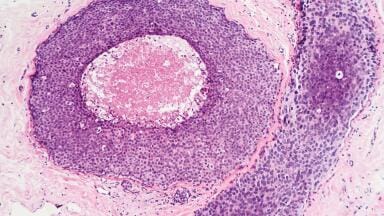
This method addresses an unmet need of clinical researchers. There are an estimated 400 million FFPE-preserved samples in tissue banks worldwide, and the DNA in these samples has been considered too degraded to use in microarray analysis techniques such as aCGH, a powerful method for studying DNA copy number variation in cancers and genetic disorders. As an example, according to the National Cancer Institute's Web site, the Department of Pathology and Laboratory Medicine at the University of Pennsylvania has approximately 600,000 paraffin-embedded tissue samples that date back to the 1940s. As a result, this labeling capability would allow more comprehensive retrospective analysis from sample biobanks and clinical repositories at a large number of cancer centers.


 Product directory