Laboratory products
Published over 11 years ago. See the latest and most current information on Laboratory products.
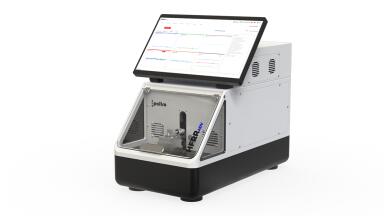
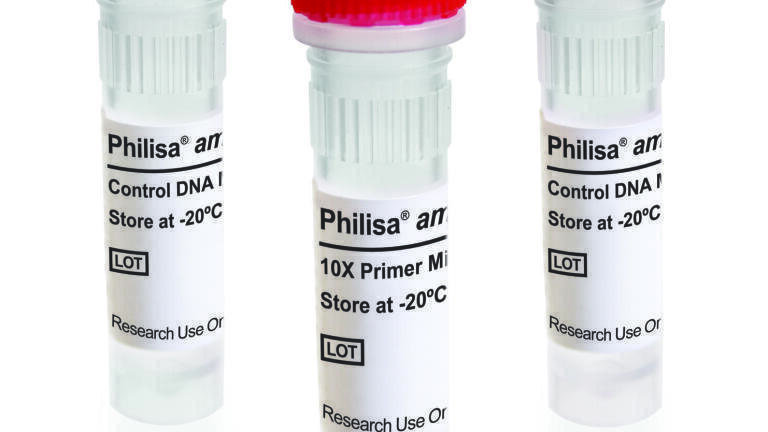
The new Streck Philisa® ampC ID Kit enables rapid identification of six plasmid-mediated ampC resistance genes for pathogen surveillance in hospitals and research. When used along with standard culture, this conventional PCR kit will help to provide up-to-date information for infection control by identifying which gram-negative ampC resistant bacterial strains are present in the hospital. Resistance to the beta-lactam class of anti-microbials is a significant cause of multidrug-resistant urinary tract and bloodstream infections.
The Philisa ampC ID kit, available exclusively in the UK from Alpha Laboratories, is a PCR based molecular test that detects six of the most common plasmid-mediated ampC gene families (MOX, DHA, ACC, EBC, FOX, CMY). It provides a result in one hour, compared to the 2-3 days taken by traditional disk diffusion methods. An endogenous internal control reduces false negative results.
The test involves a 15 minute PCR step, followed by an agarose gel run to resolve the PCR products. Their molecular masses are then compared against external controls to provide an indication of genotype. This gives a clear, positive identification of strain genotype and antimicrobial resistance (AMR) potential.
The increased incidence of antibiotic resistant gram-negative bacteria is of significant and growing concern. Treatment options for such bacteria are relatively limited and further restricted by the emergence of AMR. Resistance in gram negative species is usually associated with β-lactamase enzymes, of which class C cephalosporinases (AmpC) is one of the best known. Thus, a proper understanding of the specific genotype and susceptibility of a given strain is the key to effective therapeutic intervention.
ILM 51.6 Sept 2026




 Product directory