Laboratory products
Published over 5 years ago. See the latest and most current information on Laboratory products.
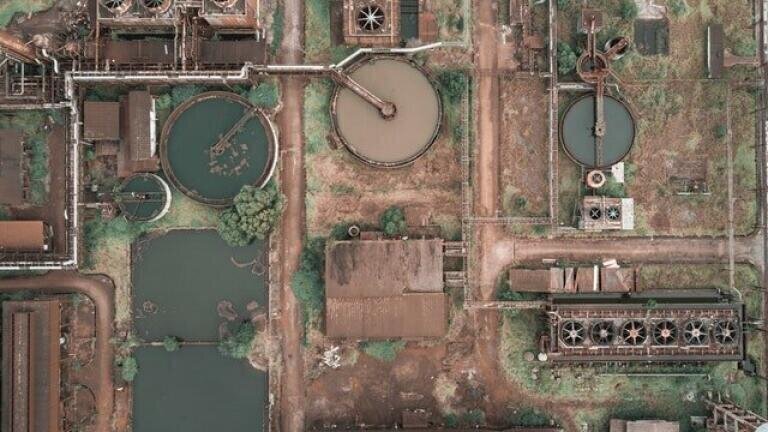
In a bid to detect COVID-19 outbreaks as they happen and prevent them from escalating, authorities have turned to an unusual source – municipal wastewater networks. The approach is being used by governments and health organisations around the world, from Australia to Canada. By testing wastewater for traces of COVID-19, scientists can detect levels of infection within communities and act accordingly.
The University of British Columbia in Vancouver is a pioneer of wastewater testing for COVID-19, with Dr. Ryan Ziels asserting data is being used to help health officials track infection rates and monitor concerning variants. Using handheld DNA sequencers, Ziels and his team analyse municipal wastewater samples for fragments of the coronavirus genome. Data is then passed on to the local health authorities and used to predict hospital demand, track case numbers in the area and bolster public healthcare strategies.
“The novel coronavirus can be shed in faeces, and so many groups around the world have shown that we can detect the frequency or abundance of specific (COVID-19) mutations in municipal wastewater,” says Ziels.
The technique has been particularly successful in Australia, where wastewater monitoring has helped public health authorities identify COVID-19 “hotspots” and launch localised responses. This includes setting up pop-up testing clinics, issuing public health warnings and introducing lockdowns.
Moving forward, Minister for Industry, Science and Technology Karen Andrews says the technology could be used to test wastewater from planes and cruise ships landing or docking in Australia. This concept is currently being trailed with national carrier Qantas, with Andrews saying “The ability to test wastewater from planes and cruise ships is another piece of the puzzle as we look to the future of travel and keeping Australians safe.”
A major benefit of wastewater surveillance is the elimination of biases that can cause problems when relying on traditional indicators such as positive test results, hospitalisation rates and deaths. While useful, indicators such as confirmed case numbers rely heavily on access to diagnostics tests. This means that unless all members of a community are being tested, results are not necessarily accurate. Tracking coronavirus outbreaks using statistics like hospitalisation rates and deaths can also be a challenge as data often lags by weeks and doesn’t offer a real-time overview. Wastewater surveillance sidesteps these biases and offers health authorities up-to-the-minute data.
Want to know more about the latest techniques and technologies being used to combat COVID-19? Find out more about next-generation manual and automated lab solutions in ‘Discover Gilson's COVID-19 Testing Workflow Solutions’.
ILM 51.6 Sept 2026


 Product directory


.jpg)









.jpg)