A compact "taster" capable of detecting toxins in water supplies could give
laboratory equipment manufacturers the ability to ensure the fluid used in their systems is clean.
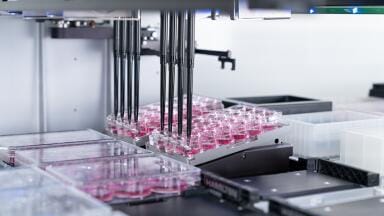
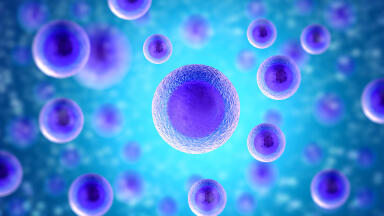
Scientists at the Fraunhofer Institute for Interfacial Engineering and Biotechnology (IGB) in Stuttgart, Germany, have created a small module containing mammalian cells and bacteria.
The bacteria respond to the presence of toxins by changing colour, while the mammalian cells help to tailor the reaction to highlight potential threats to humans.
While the system is intended for use in drinking water supplies, it could have applications for
laboratory equipment manufacturers in terms of testing the mains delivery of the fluid to research environments.
The IGB notes the main targets for drinking water - that it should be flavourless, odourless, colourless and cool.
It is one of 59 research establishments that constitute the Fraunhofer network within Germany itself, with a further 20 or more facilities located in other regions of the world.





 Product directory