Laboratory products
Published over 10 years ago. See the latest and most current information on Laboratory products.
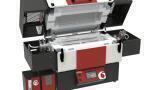
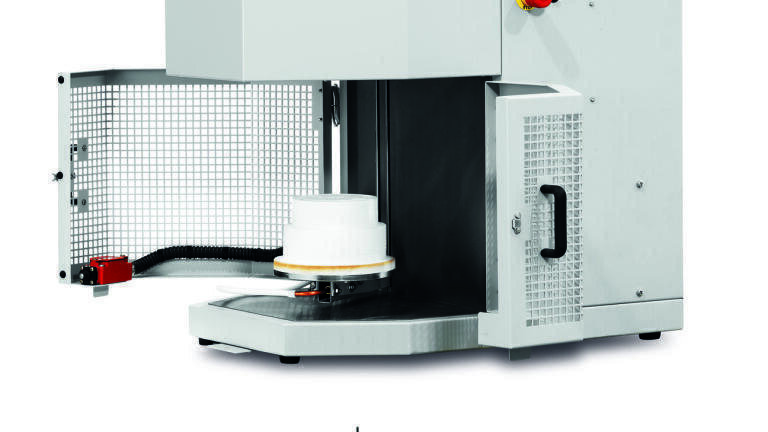
The Carbolite Gero bottom loading furnace (BLF) uses an electrically operated elevator hearth which rises into the furnace chamber carrying the sample. Traditionally available at 1700°C and 1800°C the BLF now comes in a lower temperature of 1600°C (BLF 16/3) bringing affordability to technical ceramics testing and research. The BLF is an ideal choice of furnace for the handling and loading of delicate samples into a furnace chamber.
Rapid heating and cooling cycles are achieved from the electric hearth rising from its open position (down) into the furnace chamber and fully closing (up) within just four seconds (see image).
The design of the BLF’s hexagonal chamber offers excellent temperature uniformity and is ideal for sintering high performance ceramics, melting glass under high temperature or working with modified atmospheres.
An optional inverted crucible can be used to help retain an inert atmosphere, typically nitrogen, inside the chamber. The lip of the inverted crucible is located in a groove cut into the hearth insulation and sealed by partly filling the groove with alumina or zirconia powder.
The bottom loading furnace design can also be adapted to provide solutions to particular customers’ requirements.
Lab Asia 33.6 Dec


 Product directory