Laboratory products
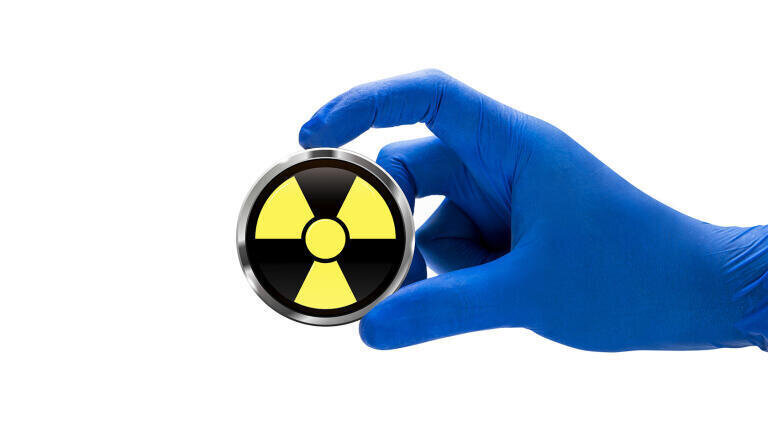
Electron Capture Detectors (ECDs) have long been valued for their sensitivity in gas chromatography, particularly in environmental and chemical analysis. What is less well understood is that ECDs contain a Nickel-63 (Ni-63) radioactive source and remain subject to UK radiation safety regulations throughout their lifetime.
Many laboratories continue to store unused or decommissioned ECDs without realising that this can create compliance issues. Under UK law, holding a Ni-63 source requires the appropriate licence, even if the detector is no longer operational. An ECD removed from its instrument and stored separately cannot legally be kept unless the site is licensed to do so.
ECDs often become redundant following equipment upgrades, failures, or laboratory moves. In busy laboratory environments, disposal is frequently postponed, and over time the detector may be forgotten altogether. These situations are common in universities and long-established facilities where equipment histories span decades.
The issue is usually discovered during audits, safety reviews, or major clean-outs, at which point laboratories may find themselves holding radioactive material they are not authorised to possess. Proper disposal is therefore not just a housekeeping task, but a regulatory requirement.
Because of the radioactive Ni-63 source, ECDs cannot be disposed of through standard waste routes. Licensed providers must assess the detector, manage transport, and ensure compliant disposal or reuse, issuing documentation to confirm that the source has been legally decommissioned.
Ellutia Ltd, a UK-based gas chromatography specialist with over 30 years’ experience, offers licensed ECD disposal services to laboratories across the UK. The company provides a straightforward, end-to-end process covering assessment, collection, compliant disposal, and regulatory paperwork.
Laboratories are encouraged to review stored or unused ECDs and confirm that their current arrangements meet regulatory requirements. Taking action early helps avoid unnecessary compliance and safety risks.
More details can be found here.
ILM 51.6 Sept 2026




 Product directory