Laboratory products
Published over 4 years ago. See the latest and most current information on Laboratory products.
Next-generation sequencing (NGS) is quickly becoming the platform of choice for tumour molecular profiling due to its ability to simultaneously report on multiple biomarkers. However, lengthy turnaround times can limit the clinical utility of these results. To meet the need for rapid genomic insights, Thermo Fisher Scientific has launched the CE-IVD (IVDD) Oncomine Dx Express Test and Oncomine Reporter Dx for use in clinical labs.
Using targeted NGS technology, the Oncomine Dx Express Test delivers clinically relevant tumour mutation profiling in as little as 24 hours to aid healthcare professionals, in accordance with professional guidelines, in therapy management of cancer patients. The qualitative in vitro diagnostic (IVD) test detects deletions, insertions, substitutions and copy number gain present in 42 genes and fusions or splicing variants in 18 genes from DNA and RNA in FFPE tumour tissue samples of solid malignant neoplasms. This assay also detects deletions, insertions, substitutions in 42 genes and fusions or splicing variants in seven genes from cfTNA extracted from plasma samples of non-small cell lung cancer (NSCLC). The assay requires minimal sample input, maximising sample success rates.
The Oncomine Reporter Dx software ensures healthcare providers can quickly assess the genomic test results. The software matches the variant data to relevant evidence including approved therapies, guidelines, clinical trials and peer reviewed literature in a user-friendly and customisable report.
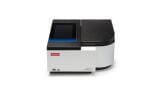
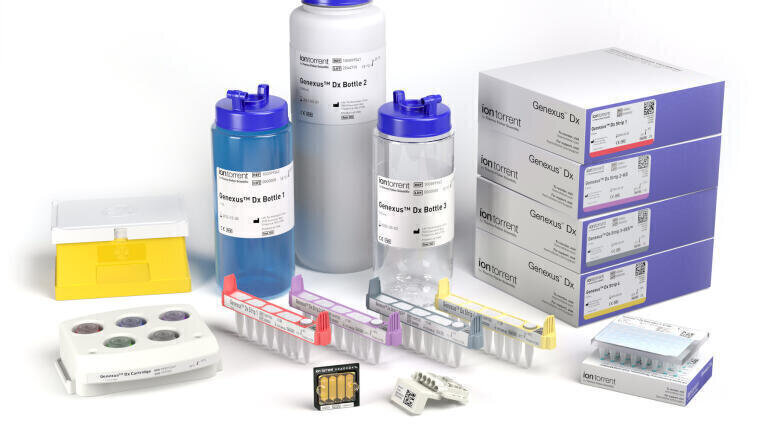
The new NGS assay and genomic reporting software, along with the recently launched Ion Torrent Genexus Dx Integrated Sequencer, offer an automated end-to-end CE-IVD workflow. Operated from a single software interface, the overall process includes less than 20 minutes of hands-on time, delivering results with unprecedented rapid turnaround time. The workflow enables any lab to bring the power of genomic testing in-house, improves access to patients and advances precision oncology for those who stand to benefit most.
More information online
ILM 51.6 Sept 2026




 Product directory




















.jpg)