
Laboratory products
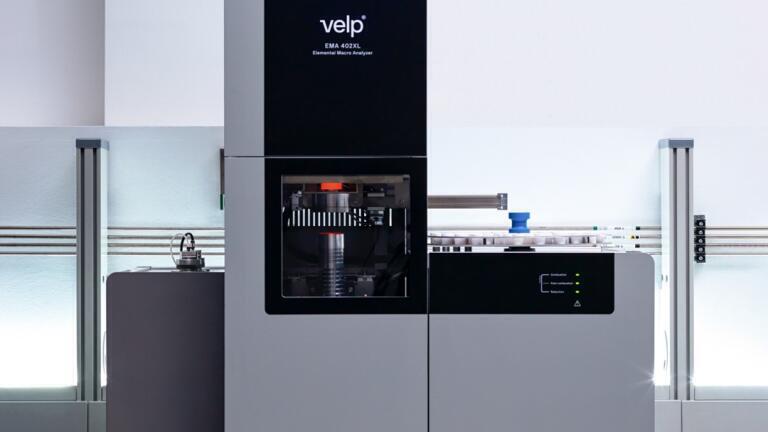
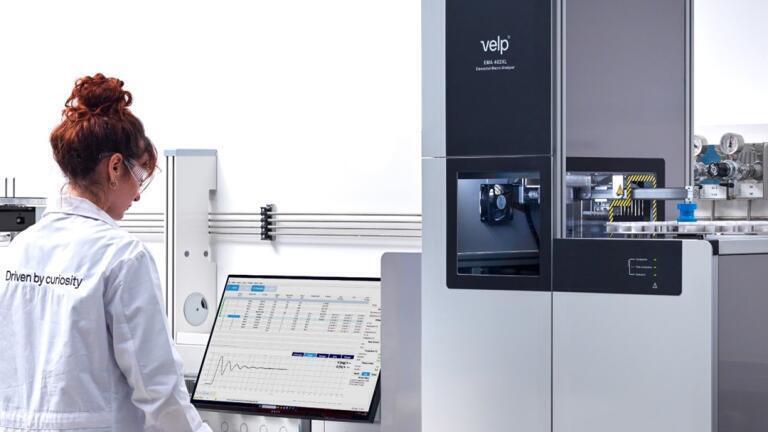
Velp Scientific has introduced the EMA 402XL, the world’s first macro CHNS elemental analyser based on crucible technology, setting a new benchmark in elemental analysis for research and industrial laboratories.
Elemental analysis is essential across sectors including environmental monitoring, energy, agriculture, chemicals, and advanced materials. Traditional CHNS systems often struggle with large, heterogeneous, or complex samples, limiting accuracy and representativeness. EMA 402XL overcomes these challenges, offering laboratories higher precision, improved sample representativeness, and greater operational efficiency.
The analyser’s crucible-based approach allows direct analysis of significantly larger sample quantities than conventional tin-foil systems. Coupled with high-temperature combustion up to 1350°C and advanced detection technologies compliant with ASTM standards, EMA 402XL delivers reliable CHNS determination even under demanding conditions.
Designed for high-throughput labs, EMA 402XL features a 100-position autosampler supporting sequential and non-sequential analysis with minimal operator intervention. Automated workflows - from sample loading to ash removal - streamline operations, while front-access maintenance and smart connectivity ensure reliability and long-term continuity.
The system supports a wide range of applications, from soil, sediment, and fuel testing to bio-based materials and complex waste analysis. Beyond CHNS determination, EMA 402XL can monitor oxygen consumption during combustion to calculate Total Oxygen Demand (TOD), providing insights for calorific value estimation.
“EMA 402XL represents a paradigm shift in elemental analysis,” said Giovanni Passoni, CEO of Velp Group. “It combines scientific rigour, automation, and usability to empower laboratories with more reliable data and smarter workflows - fully aligned with our brand promise: Driven by curiosity.”
The launch reinforces Velp Scientific’s commitment to innovation, anticipating evolving laboratory needs and supporting high-precision analysis across a broad spectrum of scientific and industrial applications.
More information online
ILM 51.6 Sept 2026




 Product directory