Research news
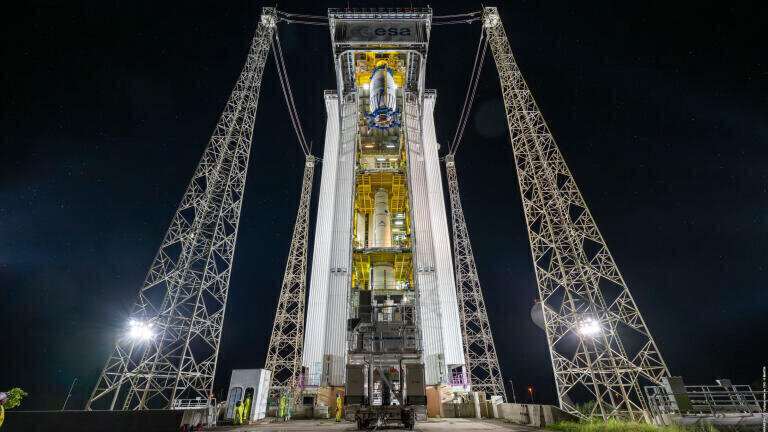
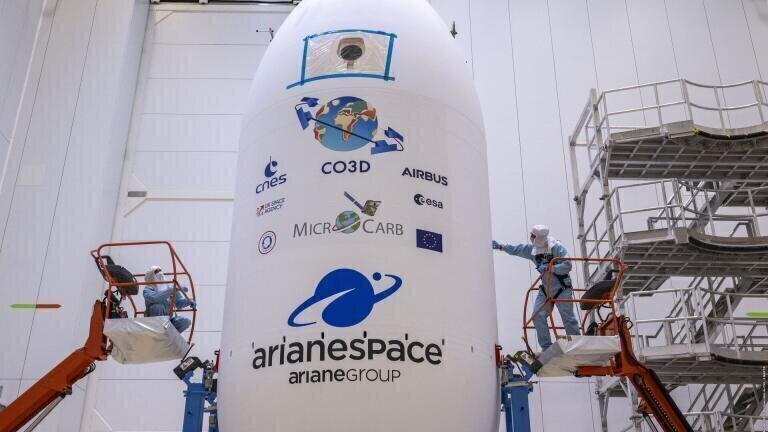
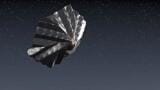
Millions of people worldwide stand to benefit from more precise climate data following the successful launch of the MicroCarb satellite, a UK-France partnership that marks Europe’s first dedicated CO₂ monitoring mission. Launched aboard a Vega-C rocket from Kourou, French Guiana, MicroCarb will join the international greenhouse gas (GHG) virtual constellation, providing city-level measurements at an unprecedented 2km × 2km resolution.
Backed by a £15 million UK Space Agency investment, the mission strengthens Britain’s leadership in climate science and space technology. The satellite will track CO₂ emissions from urban areas, natural carbon sinks such as forests and oceans, and monitor plant photosynthesis via Solar Induced Fluorescence, offering crucial data to guide carbon reduction strategies and inform the Paris Agreement Global Stocktake.
UK scientists and industry played key roles in the mission. The National Physical Laboratory provided calibration facilities, RAL Space developed the pointing and calibration systems, and Thales Alenia Space UK handled assembly, integration, and testing. Professor Paul Palmer (NCEO, University of Edinburgh) leads the UK team translating MicroCarb data into actionable maps of emissions and absorption.
Dr Paul Bate, Chief Executive of the UK Space Agency, said: “MicroCarb is a major leap forward in our ability to track carbon emissions, demonstrating the strength of UK science and international collaboration.”
The first data products are expected in approximately one year, providing insights into urban emitters and natural carbon sinks, and supporting global climate monitoring efforts.
More information online
ILM 51.6 Sept 2026



 Product directory


















,-photo-Karin-Allander.jpg)





.jpg)
