Research news
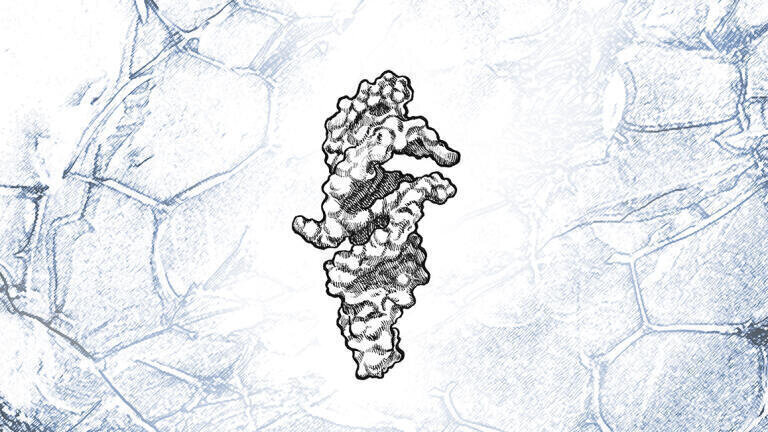
Researchers at the MRC Laboratory of Molecular Biology (LMB), Cambridge, have discovered a tiny RNA molecule capable of copying itself - a key step toward understanding how life may have begun on Earth.
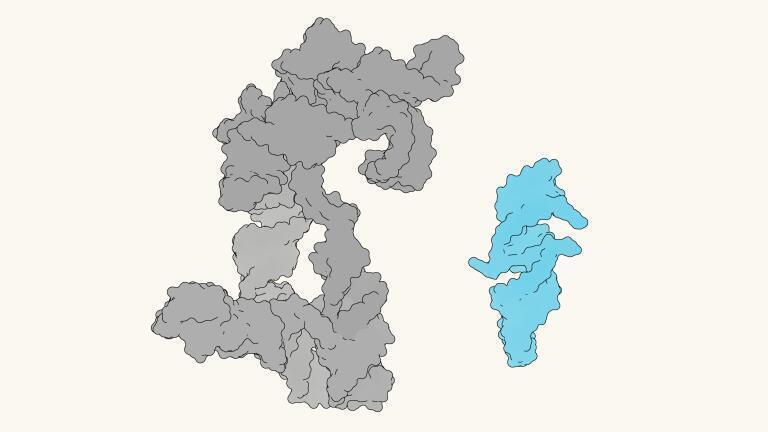
The molecule, named QT45, is remarkably small yet able to replicate both itself and its complementary strand, something previously thought possible only for much larger RNA sequences. Published in Science [1], the study sheds light on one of biology’s biggest mysteries: how life emerged from simple chemical building blocks.
Until now, researchers had only identified RNA strands that could copy other RNA, but these were too long and complex to self-replicate. By generating vast pools of random RNA sequences and using repeated laboratory evolution, the LMB team isolated QT45, which efficiently carries out self-replication.
Lead author Edoardo Gianni said:
"This discovery gives us a glimpse of the earliest steps of life and supports the idea that self-replicating RNA could have emerged spontaneously. QT45 is small enough to copy itself entirely - unlike previous molecules, which could only copy fragments."
The team now aims to combine QT45’s two key reactions to kickstart a full self-replication cycle, a step that could deepen understanding of life on Earth and potentially elsewhere in the universe.
More information online
ILM 51.6 Sept 2026



 Product directory



















,-photo-Karin-Allander.jpg)




.jpg)

.jpg)