Research news
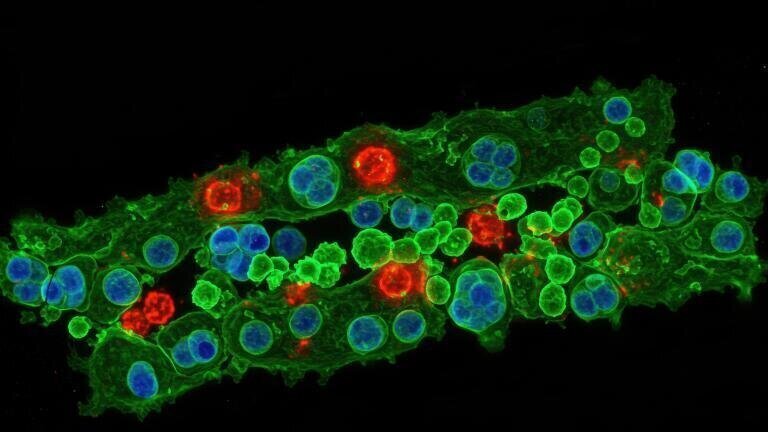
An international collaboration led by the University of Exeter has secured £4.5 million in funding from Wellcome to improve understanding of fungal pathogens responsible for millions of infections worldwide.
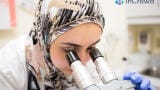
The six-and-a-half-year Mycology Bioimaging Initiative brings together researchers from the University of Exeter, the University of Edinburgh, and the University of Cape Town to develop advanced imaging tools to study how disease-causing fungi grow, spread, and respond to treatment.
Fungal infections are estimated to affect around 6.5 million people annually and cause approximately 2.5 million deaths each year, yet key aspects of fungal biology remain poorly understood.
The project will focus on priority fungal pathogens identified by the World Health Organization, including drug-resistant and emerging species such as Candida glabrata, Mucorales, Emergomyces, and Cryptococcus.
Dr Elizabeth Ballou, from the University of Exeter’s Medical Research Council Centre for Medical Mycology and project lead, said the initiative will address critical gaps in understanding early fungal growth and infection.
“Fungi cause disease through the act of growing. By developing new bioimaging approaches, we can study the earliest stages of infection, which is essential for identifying new diagnostics and therapeutics.”
Researchers will develop technologies including microfluidics, fluorescent reporter systems, and computational imaging pipelines to observe fungal behaviour at cellular resolution.
At the University of Edinburgh, teams will focus on engineering-based imaging approaches to track fungal cells in real time, including how they respond to antifungal drugs and why some cells survive treatment.
Professor Peter Swain said:
“We want to understand why some fungal cells tolerate treatment while others do not, by observing them as they respond to antifungal drugs in real time.”
The initiative will also strengthen research capacity in high-burden regions, with teams at the University of Cape Town applying advanced imaging techniques to study Emergomyces and Cryptococcus, which are linked to severe disease in immunocompromised patients.
Alongside tool development, the programme will establish a global training network, including annual workshops and researcher exchanges to support knowledge sharing between laboratories and improve global capacity in fungal bioimaging.
More information online
ILM 51.6 Sept 2026


 Product directory


.jpg)
.jpg)













,-photo-Karin-Allander.jpg)