Research news
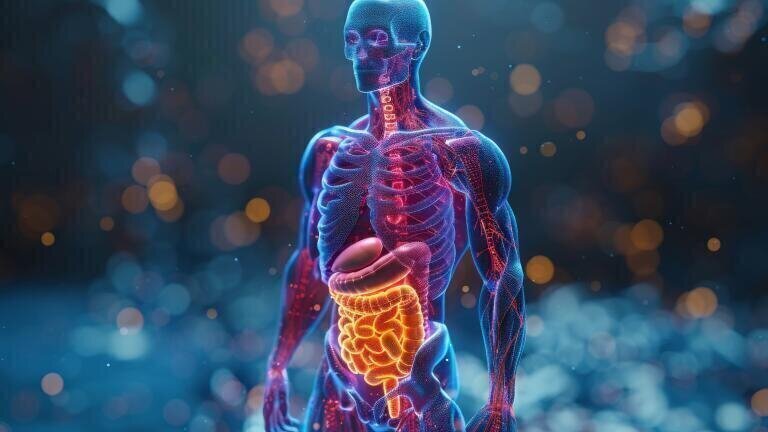
Scientists at the University of Manchester, funded by the Wellcome Trust, have uncovered new evidence that stroke can disrupt the immune system in the gut, shedding light on why patients often experience gastrointestinal problems in the days following a stroke [1].
Published in Brain, Behavior, and Immunity, the study adds to the growing evidence for a ‘gut-brain axis’, a system of communication between the brain and the digestive tract that affects both health and disease. While previous research has shown that stroke affects the nervous system’s signals to the gut, the new findings suggest the communication may also work in reverse.
Using a mouse model, the team observed that stroke triggered changes in antibody-producing immune cells in the small intestine, particularly a subset that makes Immunoglobulin A (IgA), which helps regulate gut bacteria. Mice lacking IgA showed fewer changes to their gut microbiome after stroke, indicating that altered immune responses may partly drive post-stroke gastrointestinal complications.
“Stroke is a devastating event with long-term consequences, including infections and digestive issues,” said lead investigator Professor Matt Hepworth of the Lydia Becker Institute of Immunity and Inflammation. “Our work shows how the gut’s immune system becomes disturbed, potentially contributing to the intestinal symptoms and complications seen in patients.”
The findings highlight new avenues for improving post-stroke recovery. As immune-targeting therapies become more common in the clinic, understanding gut-immune changes could eventually help prevent secondary complications and enhance patients’ quality of life.
More information online
ILM 51.6 Sept 2026



 Product directory




















,-photo-Karin-Allander.jpg)






.jpg)
