Research news
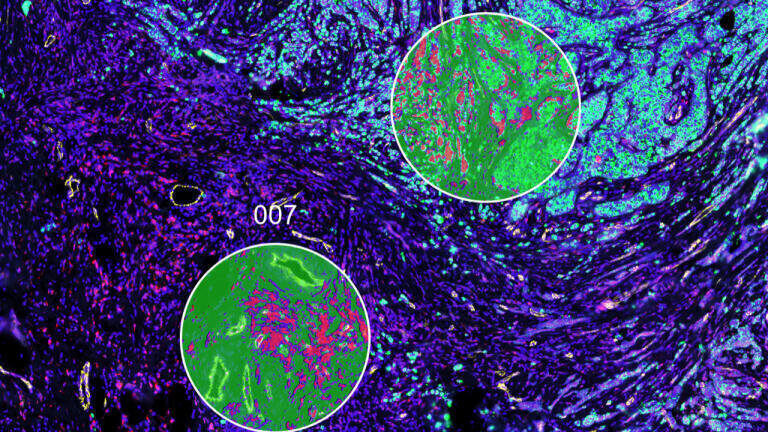
A new study [1] from the University of Turku, Finland, has taken a step forward in personalised cancer treatment by identifying which patients are most likely to benefit from the immunotherapy drug bexmarilimab.
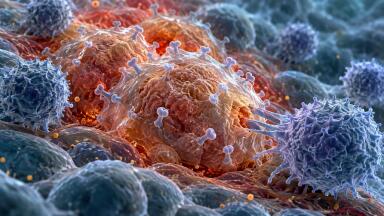
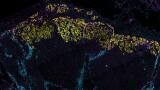
The research shows that bexmarilimab activates immune responses most effectively in ‘immunologically silent’ tumour environments, where immune cells are typically inactive. In nearby healthy tissue, the drug also triggered B cell–mediated responses, suggesting broader immune activation beyond the tumour itself.
The team used patient-derived tumour samples to mimic real-life tumour–immune system interactions, and observed treatment responses consistent with previous clinical trials.
Researchers identified a five-gene expression signature associated with bexmarilimab response. This molecular fingerprint could help clinicians select patients most likely to benefit from the drug - potentially improving treatment outcomes.
“This signature gives us a tool to identify responsive tumours,” said Jenna Rannikko, Doctoral Researcher and lead author. “Our next step is to validate it clinically for use in patient profiling.”
Bexmarilimab, developed in Finland, has shown potential in multiple solid tumour types. The findings may help refine its clinical use and expand its applicability to new patient groups.
“Understanding the tumour microenvironment is key to making immunotherapies more precise and effective,” said Associate Professor Maija Hollmén, principal investigator.
The study was published in the Journal for ImmunoTherapy of Cancer and conducted as part of the InFLAMES Flagship, a joint research initiative of the University of Turku and Åbo Akademi University focused on advancing personalised medicine through immunology.
More information online
1. Macrophage sensitivity to bexmarilimab-induced reprogramming is shaped by the tumor microenvironment published in the Journal for ImmunoTherapy of Cancer
ILM 51.6 Sept 2026



 Product directory















,-photo-Karin-Allander.jpg)



.jpg)
