Research news
Exposure to forever chemicals during pregnancy may shape how children’s brains develop, according to new research led by the University of Turku in Finland, in collaboration with Turku University Hospital and Örebro University in Sweden.
The study [1], published in The Lancet Planetary Health, found that higher levels of per- and polyfluoroalkyl substances (PFAS) in mothers’ blood were associated with differences in brain structure and function in their five-year-old children.
PFAS are a group of synthetic chemicals used in everything from non-stick pans to firefighting foams. They are known for their persistence in the environment and in human bodies, earning them the nickname ‘Forever chemicals’.
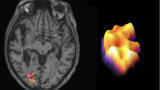
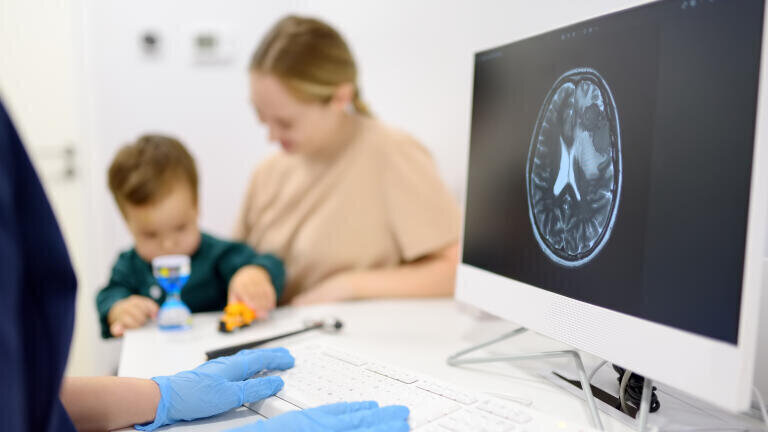
Using data from the long-running FinnBrain Birth Cohort, researchers analysed blood samples from expectant mothers and later performed MRI brain scans on their children. The results revealed that different PFAS compounds were linked to changes in specific brain regions, including the corpus callosum, occipital lobe, and hypothalamus.
“PFAS are everywhere – in our food, water, and even the air we breathe – and they pass from mother to child during pregnancy,” explained Senior Researcher and lead author, Aaron Barron from the University of Turku. “Our findings suggest these chemicals may influence early brain development, though we still need to understand how.”
While the long-term impact of these associations remains unclear, the findings add to growing concern about PFAS exposure and its potential role in human health.
The research was funded by the EU Horizon Europe project INITIALISE ('Inflammation in human early life: targeting impacts on life-course health').
More information online
1. Prenatal exposure to perfluoroalkyl substances predicts multimodal brain structural and functional outcomes in children aged 5 years: a birth cohort study published in The Lancet Planetary Health
ILM 51.6 Sept 2026




 Product directory




















,-photo-Karin-Allander.jpg)