
Research news
Researchers at the University of Turku, Finland, have identified a promising new biomarker that could help predict how multiple sclerosis (MS) will develop in individual patients.
The study [1], led by Professor Laura Airas in collaboration with German and Dutch partners, found that the thickness of the inflammatory cell rim surrounding brain lesions strongly correlates with the severity and pace of MS progression. Their findings were published in Nature Medicine.
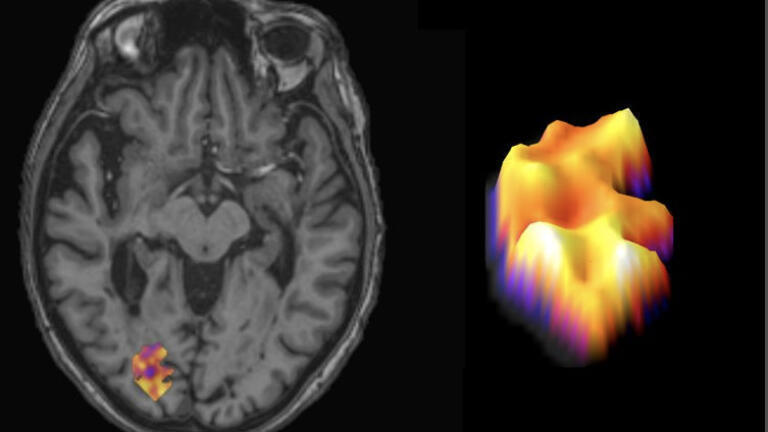
Using PET imaging data from 114 Finnish MS patients alongside detailed post-mortem brain tissue analysis from Dutch patients, the team discovered that wider inflammatory rims around lesions are linked to more aggressive disease advancement.
Professor Airas explained: “When microglial cells create a thick rim around MS lesions, their damaging activity extends deeper into healthy brain tissue, causing irreversible harm.”
This breakthrough not only enables earlier identification of patients who may benefit from more intensive treatment but also provides a new way to monitor the effectiveness of emerging drugs by tracking changes in lesion rims.
The research holds particular promise for improving therapies for progressive MS, a form of the disease that currently lacks effective treatment options.
More information online
1. Broad rim lesions are a new pathological and imaging biomarker for rapid disease progression in multiple sclerosis published in Nature Medicine
ILM 51.6 Sept 2026




 Product directory




















,-photo-Karin-Allander.jpg)