Research news
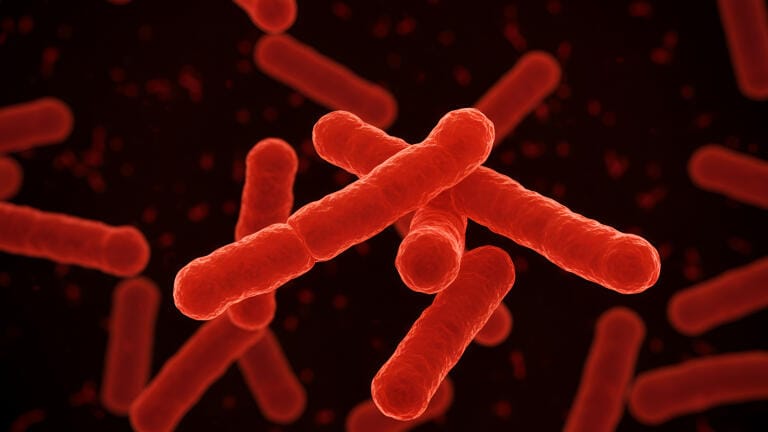
Researchers are exploring a new approach to tuberculosis (TB) treatment that could enhance existing antibiotics and help the immune system fight infection more effectively.
Scientists at the Liverpool School of Tropical Medicine are investigating whether cysteamine, a a previously characterised compound, could be repurposed as an adjunct therapy to help shorten TB treatment and address the growing challenge of antimicrobial resistance.
The 12-month project, supported through the Medical Research Council Impact Accelerator Account, is being carried out in partnership with biotechnology company NovaBiotics. The team will evaluate an oral formulation of cysteamine as a potential addition to current TB treatment strategies.
TB remains one of the world’s leading infectious disease threats, with treatment typically requiring a combination of antibiotics over several months. Increasing antimicrobial resistance is making infections more difficult to manage, creating an urgent need for new approaches that can improve treatment outcomes.
Cysteamine is attracting interest because it may provide a dual benefit: enhancing the activity of existing antibiotics while also supporting the body's immune response against infection. Although the compound has previously shown promise against other respiratory pathogens, its potential application in TB has not yet been fully explored.
Early research at LSTM indicates that cysteamine can enhance the activity of rifampicin, one of the key antibiotics used in TB treatment. The researchers will now test the compound in advanced infection models designed to replicate how TB bacteria survive inside human immune cells.
Dr Daire Cantillon, Lecturer in Infection Biology & Therapeutics at LSTM and Principal Investigator on the project, said: “TB treatment has not fundamentally changed in decades, and the rise of drug resistance is making it increasingly difficult to manage. Cysteamine offers an exciting opportunity because it may both enhance antibiotic activity and support immune clearance of infection.”
If successful, the research could provide important proof-of-concept data to support the future development of cysteamine as a new treatment strategy for both drug-sensitive and drug-resistant TB.
More information online
ILM 51.6 Sept 2026




 Product directory

















,-photo-Karin-Allander.jpg)