Research news
A previously unidentified bacterium linked to noma has been uncovered by researchers at the Liverpool School of Tropical Medicine, in collaboration with the University of Liverpool, Médecins Sans Frontières and the Noma Children’s Hospital, offering new insight into one of the world’s most devastating yet overlooked diseases.
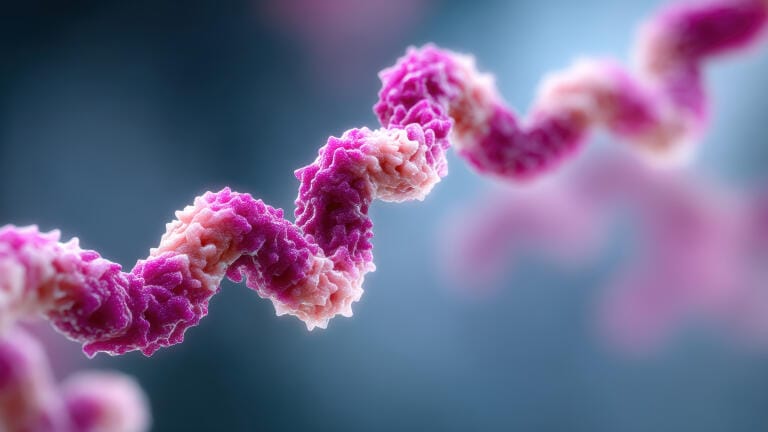
Published in PLOS Neglected Tropical Diseases [1], the study combined metagenomic sequencing with machine learning to analyse saliva samples from children with acute noma. The team identified a previously undescribed species of Treponema that appears to be strongly associated with the disease.
Noma is a rapidly progressing infection that begins as gum inflammation before destroying the tissues of the mouth and face. It primarily affects young children living in extreme poverty and, without treatment, is fatal in up to 90% of cases. Although recognised as a neglected tropical disease by the World Health Organization in 2023, its underlying causes have remained poorly understood.
By analysing the full microbial community, the researchers identified a consistent bacterial signature linked to disease onset. Notably, Treponema species were detected in the early stages, suggesting they may play a key role in triggering progression from gingivitis to severe tissue damage.
The study also revealed significant disruption of the oral microbiome in affected children, with disease-associated bacteria increasing while those linked to a healthy mouth decline - an imbalance that provides important clues to how noma develops.
Encouragingly, the newly identified bacteria do not appear to carry known antibiotic resistance genes, raising the possibility that early treatment with existing therapies could be effective if the disease is detected in time.
Senior author on the study Professor Adam Roberts, from LSTM’s Centre for Neglected Tropical Diseases, said: “By using metagenomic sequencing, we can now see the full bacterial community in unprecedented detail. This has allowed us to identify a species of Treponema bacteria strongly linked to the disease.”
The findings provide a clearer picture of the microbial drivers of noma and open the door to new diagnostic approaches, with the potential to enable earlier intervention and improve outcomes for affected children.
More information online
ILM 51.6 Sept 2026



 Product directory


.jpg)
.jpg)
















,-photo-Karin-Allander.jpg)





.jpg)
