Research news
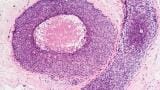
Amsbio has highlighted the role of its well-characterised biospecimens in a large-scale immuno-oncology study investigating Fibroblast Activation Protein (FAP) expression across 23 tumour types, providing new insights into potential biomarkers for cancer immunotherapy.
Researchers at Roche Pharma Research combined immunohistochemistry with RNA sequencing to analyse FAP expression in human tumour samples. Published in Frontiers in Immunology, the study demonstrated the value of high-quality biospecimens for investigating the tumour microenvironment and identifying targets for translational cancer research.
The researchers found that FAP expression was highest in breast, pancreatic, oesophageal and lung cancers, while remaining low or absent in most healthy tissues. Analysis of 29 clinical cohorts from 12 trials also suggested that elevated FAP expression was frequently associated with poorer clinical outcomes, although the relationship varied between tumour types and treatment settings.
The findings reinforce the potential of FAP as both a biomarker and therapeutic target for future immunotherapy development.
Dr Philipp Boder, Business Development Manager at Amsbio, said: “By enabling immunohistochemistry and RNA-based analyses at scale, our well-characterised biospecimens support research that advances understanding of immune-modulating targets within the tumour microenvironment.”
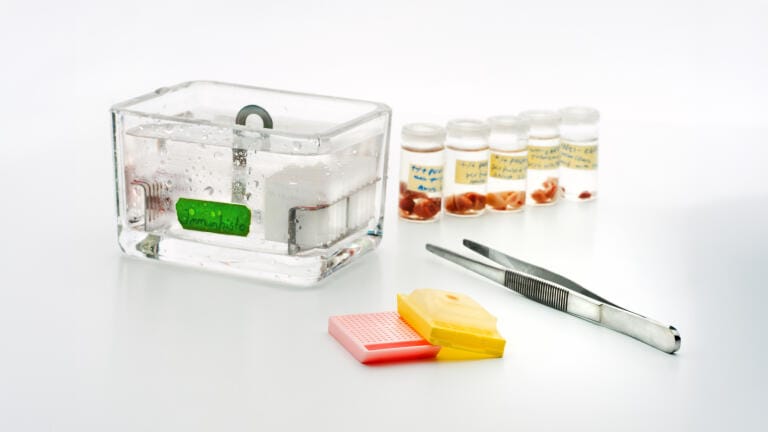
Amsbio’s biorepository includes a wide range of characterised human and animal biospecimens from healthy, tumour and disease states. The collection is supported by associated pathology data, demographic metadata and ethical documentation for translational and biomarker research.
The findings from the Roche study are published in Frontiers in Immunology.
More information online
ILM 51.6 Sept 2026



 Product directory


.jpg)
.jpg)
















,-photo-Karin-Allander.jpg)