Mass spectrometry & spectroscopy
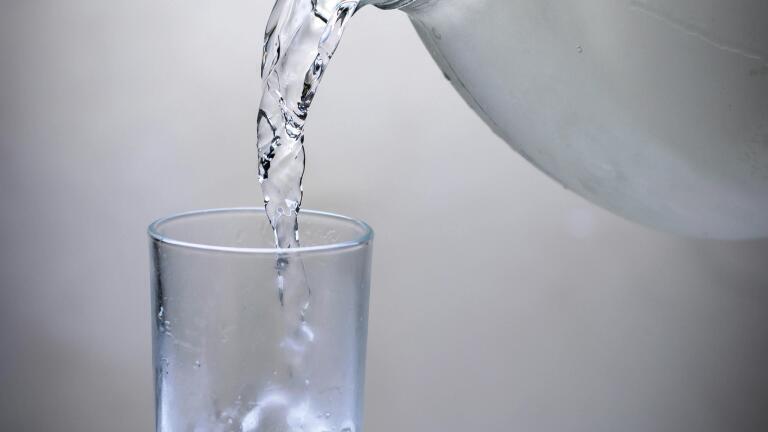
While chlorination is essential for controlling pathogens in drinking water, it can produce harmful byproducts, including haloacetic acids (HAAs), dalapon, and bromate, some of which are potentially carcinogenic. Regulatory bodies like the US EPA and the EU have set a maximum contamination limit of 60 µg/L for the sum of five key HAAs (HAA5: MCAA, MBAA, DCAA, DBAA, TCAA).
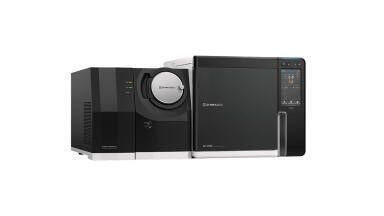
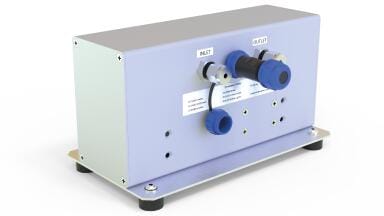
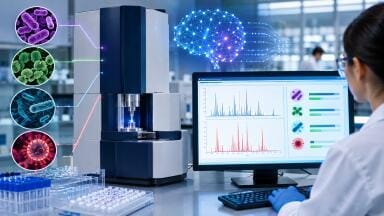
EPA Method 557 outlines a procedure for quantifying these compounds at trace levels across diverse water types. In this method, a Metrohm ion chromatograph (IC) is paired with an Agilent triple quadrupole mass spectrometer (MS), enabling direct, high-sensitivity analysis without the need for sample extraction. The Metrohm Suppressor Module minimises eluent interference, while the Metrosep A Supp 19 column ensures excellent separation of analytes from matrix components.
Even in complex water samples, matrix spike recoveries at 1 µg/L ranged from 65–115%, and minimum reporting levels (MRLs) fell between 0.025 and 0.25 µg/L.This robust IC-MS/MS method fully complies with EPA Method 557 and provides a reliable tool for safeguarding drinking water quality.
More information online
ILM 51.6 Sept 2026



 Product directory

















.jpg)
