News
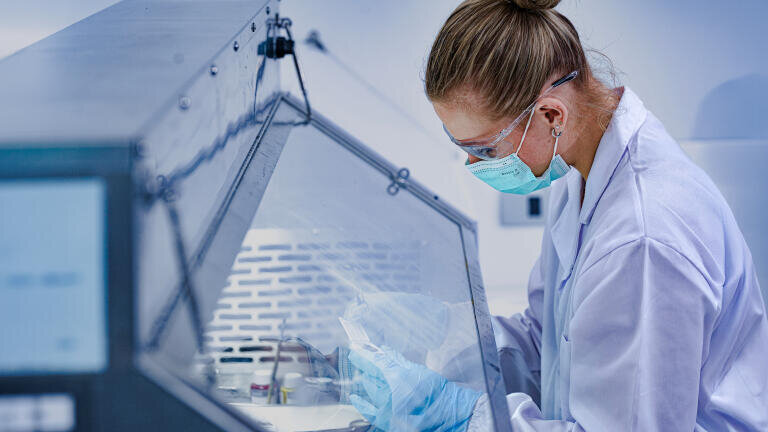
UK nurses and laboratory staff are being routinely exposed to formaldehyde, a Category 1B carcinogen, often without adequate protection, according to a new white paper from the European Biosafety Network (EBN).
Published in conjunction with the Royal College of Nursing, the report finds that formaldehyde levels in pathology laboratories and operating theatres frequently exceed safe exposure limits during routine procedures, including the handling of biopsy samples.
The paper links exposure to increased rates of asthma, respiratory irritation, allergic rhinitis, eye and nasal irritation, and skin reactions among healthcare workers. It also highlights ongoing reliance on open specimen containers in many UK hospitals, with personal protective equipment often used as the primary control measure.
Formalin, used widely to preserve tissue samples in diagnostic pathology, is classified as a Category 1B carcinogen under UK and EU regulations and is subject to strict occupational exposure limits under COSHH guidance.
The EBN is calling for wider adoption of closed-system specimen containers to reduce the release of formaldehyde vapours into clinical environments and improve workplace safety.
Kim Sunley, Head of Health, Safety and Wellbeing at the Royal College of Nursing, said employers must comply with COSHH requirements and ensure effective controls are in place where exposure cannot be eliminated.
The white paper also urges healthcare organisations and procurement bodies to review current specimen handling practices and strengthen exposure prevention measures across clinical settings.
The EBN’s white paper, Formalin and Formaldehyde in Healthcare: Occupational Risks, Regulatory Obligations, and Closed-System Solutions, published in April 2026, was funded by industry, produced with independent academic review.
More information online
ILM 51.6 Sept 2026



 Product directory























.jpg)
