News
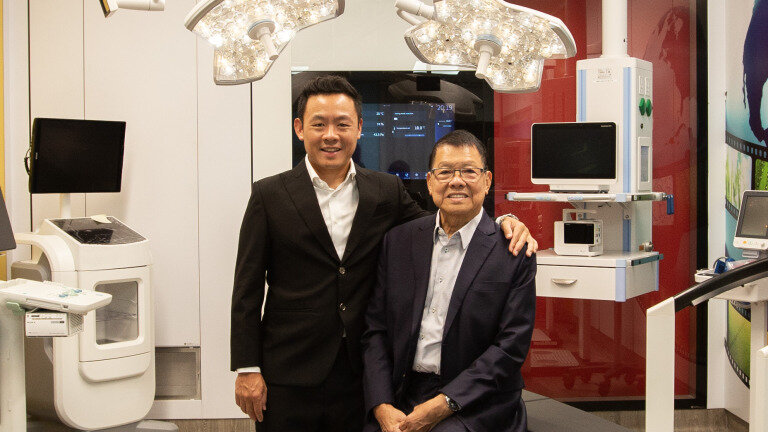
The Enterprise 50 (E50) Awards, one of Singapore’s longest-running business awards programmes, recognises privately held small and medium-sized enterprises (SMEs) for strong business performance, innovation, and contributions to economic growth. Jointly organised by The Business Times and KPMG, the awards highlight businesses helping to shape industries and strengthen Singapore’s long-term development. Among the companies recognised in 2025 was ITS Science & Medical Group, a regional provider of scientific, medical, and laboratory solutions. In this interview, Group CEO Dennis Tan discusses the company’s growth journey, its role in advancing healthcare and research infrastructure across Southeast Asia, and how resilience, innovation, and long-term partnerships continue to shape its future.
Enterprise 50 theme: Building a Resilient Nation: Enterprises as Pillars of Progress
In your own words, please tell us about your company and your role in the business.
Founded in 1978 by my father, ITS Science & Medical Group has grown over 48 years into a regional enterprise with more than 550 employees and annual revenues exceeding SGD 150 million. Headquartered in Singapore, we have direct offices in Malaysia, Indonesia, Thailand, the Philippines, Vietnam, and Cambodia.
Our three main business pillars are:
Our vision is to be the leading regional solutions provider in the science and medical sector, enabling access to world-class technologies and delivering end-to-end solutions from research and quality control to pharmaceutical production, clinical diagnostics, and patient care across the region.
My professional journey began as a practicing architect after graduating from UNSW in Sydney. I spent over six years working in Australia, Canada, and Dubai as an urban designer, contributing to city planning projects.
In 2009, a visit to an exhibition in Germany with my father became a turning point. It opened my eyes to long-term partnerships built on trust, honour, and respect. Many of our partners have worked with us for more than four decades.
I joined ITS as a product manager, then progressed through various roles including Group Business Development Director. Today, as Group CEO, I shape the company’s strategic vision, drive innovation, and ensure sustainable growth. I believe success lies in a forward-thinking mindset, pushing boundaries, and recognising that our people are our greatest asset.
What sets your company apart, and what drives your innovation and success?
ITS stands apart for its strong regional platform across seven Southeast Asian countries and our diversified business model across Science, Medtech, and Projects. No other company in our field offers this breadth of capability.
More importantly, the foundations built by my father have given us a strong springboard for growth. We are modernising operations with enterprise software systems and data analytics to improve sales lead generation and customer retention.
Above all, long-standing relationships with partners, suppliers, and customers remain our greatest strength and the cornerstone of our success.
What is one past practice you’ve had to change to stay competitive today?
Traditionally, our business focused on ‘box selling’. However, as competition intensified and margins declined, we shifted from a product-based model to a full-service solutions approach.
We now integrate laboratory and medical planning with design and construction capabilities to deliver turnkey projects, including equipment. This has strengthened our reputation in consultative solution selling and end-to-end delivery.
We also expanded regionally beyond Singapore and Malaysia to reduce risk and improve resilience, and broadened our portfolio beyond scientific equipment to include medical technology solutions. This has significantly improved our market reach and long-term competitiveness.
How has your company contributed to Singapore’s economic development and innovation?
ITS plays an active role in advancing Singapore’s healthcare and research ecosystem. We have designed and built modular operating theatres, radiology centres, intensive care units, diagnostic core laboratories, and specialised facilities for pharmaceutical and research institutions.
We have also helped bring cutting-edge global technologies into Singapore, strengthening research and healthcare infrastructure.
How has ITS helped build a resilient nation and contribute to long-term economic success?
We supported critical healthcare and laboratory needs during the Covid-19 pandemic, including supplying ventilators to hospitals in Singapore.
We are currently involved in initiatives focused on pandemic preparedness and healthcare accessibility.
We are also supporting Singapore’s goal of self-sustainable local production of fibre and protein by 2035, including plant growth research, vertical farming engineering solutions, and alternative meat production.
These efforts support long-term resilience and self-reliance.
Could you share a pivotal moment that positioned you to win the E50 Award?
There wasn’t a single defining moment. It has been the resilience and values instilled by my father that shaped who we are today.
Our forward-thinking mindset, perseverance, and commitment to continuous improvement have guided us.
Our greatest strength lies in agility — the ability to make quick, informed decisions and pivot as the industry evolves. Ultimately, this award is not a personal achievement but recognition of the entire team and everyone who has supported our journey.
What lasting impact do you hope to leave on your industry and community?
By continuing to build state-of-the-art facilities and provide advanced technologies, we aim to elevate the standards of research and healthcare for future generations.
What challenges did you face recently, and how did you overcome them?
The pandemic reshaped how we operate. Transitioning to remote and hybrid work was challenging operationally and culturally.
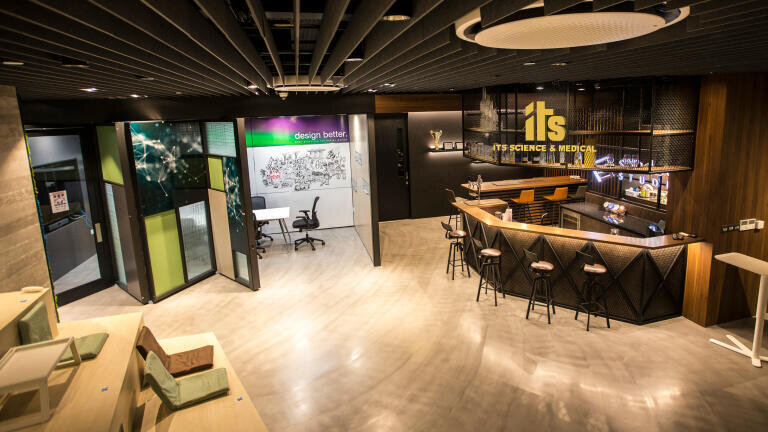
We redesigned our offices to support flexibility and collaboration, creating a workspace that meets the expectations of the modern workforce.
I always believed in providing an environment that is suitable for people as a “home away from home.”
What are your growth strategies for the next 3–5 years?
We have three key strategies:
With our presence across Southeast Asia, we are well positioned to navigate geopolitical and AI-driven changes.
How is your company advancing its ESG objectives?
We prioritise ESG-certified suppliers focused on recyclability and are digitising records to reduce paper waste and improve efficiency.
What sustainability-related innovations have you implemented?
We support circular economy initiatives including manufacturer take-back programmes, recycling and trade-in of imaging machines, and second-life equipment repurposing.
How do you foster sustainable practices, and what’s next?
We reduce environmental impact through digital tools, virtual meetings, and reduced travel.
Looking ahead, we will expand product lifecycle programmes, increase recycling and safe disposal of medical devices, and collaborate with hospitals pursuing green certifications. Our goal is to show that advancing healthcare and protecting the environment can go hand in hand.
What does winning the E50 Award mean to your company?
Winning the E50 Award is a tremendous honour. It recognises the dedication and hard work we invested over the years and validates our direction.
It also marks an important transition from the founders to the next generation, as we continue to build the ITS brand legacy.
What advice would you give other enterprises seeking growth?
Growth demands focus, discipline, and sacrifice. You must fully immerse yourself in your work and constantly push to outperform the competition.
My father always said: “Luck occurs when preparation meets opportunity.” We must always be prepared to seize opportunities when they arise.
How does this recognition influence your global expansion plans?
Singapore is a leader in healthcare and research in Southeast Asia. This award gives us credibility in the region.
While we already operate across seven Southeast Asian countries, our priority is to deepen presence in these markets. With a combined population of 650 million, Southeast Asia still holds significant untapped potential.
By strengthening our regional portfolio, we can achieve greater impact without overextending resources.
More information online
ILM 51.6 Sept 2026



 Product directory




















.jpg)
