Autoclaves
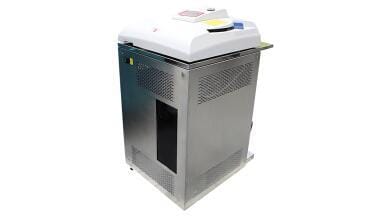
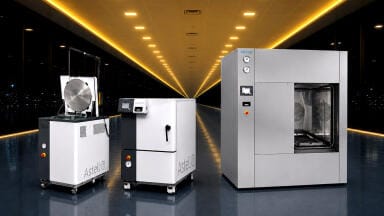
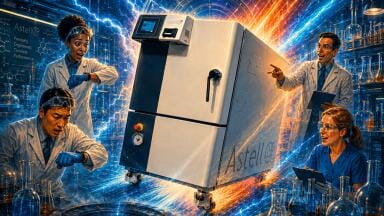
As environmental pressures intensify, the role of plant biotechnology in arable agriculture is becoming critical to global food security and public health. Researchers are working to deliver higher crop yields, reduce losses from disease, and improve tolerance to stresses such as drought and heat. Astell and AstellBio support advances in this research through the development of autoclaves tailored to the sector’s specific requirements.
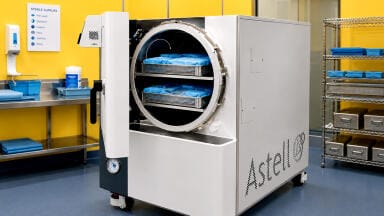
Across plant science laboratories worldwide, Astell autoclaves sterilise growth media. Plant tissue culture relies on nutrient-rich formulations such as Murashige and Skoog (MS) medium, which are vulnerable to bacterial and fungal contamination. Without autoclaving, bacteria and fungi would rapidly outcompete plant cells, rendering experiments unusable. By providing a sterile baseline, autoclaves enable processes such as callus induction, organogenesis, and somatic embryogenesis—key techniques in crop improvement and micropropagation. Astell autoclaves come pre-programmed with dedicated growth media cycles, simplifying operation for laboratory teams.
Astell autoclaves are necessary for sterilising laboratory equipment. Glassware, pipette tips, scalpels, petri dishes, and forceps must all be free from contaminants before use in aseptic workflows. This is particularly important in precision applications such as protoplast fusion, doubled haploid production, and genetic transformation using Agrobacterium or gene editing tools. Even minor contamination at these stages can invalidate entire research programmes.
Soil and substrate sterilisation with Astell autoclaves is commonplace. Researchers often need to study plant–microbe interactions under defined experimental conditions, such as introducing specific rhizobia or analysing pathogen responses. Astell autoclaves remove native microbial populations, creating a microbially neutral substrate that enables precise experimental design. This capability is particularly valuable in research on staple arable crops such as wheat, barley, maize, and oilseed rape, where understanding rhizosphere dynamics is essential for improving resilience and yield.
Beyond experimental workflows, autoclaves are indispensable to biosafety and regulatory compliance. Work involving genetically modified organisms (GMOs) or plant pathogens requires strict physical and procedural containment. All biological waste—whether solid materials or liquid effluent—must be sterilised before disposal. In the UK, this is mandated under the Genetically Modified Organisms (Contained Use) Regulations. Reliable autoclaving ensures that no viable material escapes into the environment, safeguarding both ecosystems and research integrity.
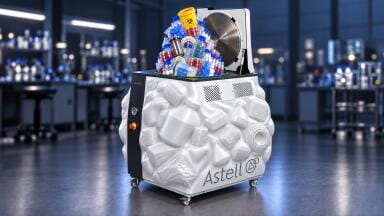
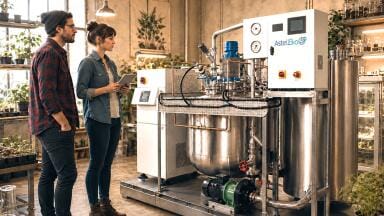
Managing biological waste safely is an area where autoclave innovation is making a real difference. Astell autoclaves are well-suited to sterilising waste materials of varying complexity. Liquid waste introduces greater levels of contamination risk than solid materials in the containment facility, due to its potential to splash, aerosolise, or leak during handling. Traditional autoclave processes often involve manual handling of waste, which can introduce risk through human error, exposure, and the thermal capacity of liquids. Building on Astell’s autoclave expertise, AstellBio has developed specialised solutions for biotechnology applications, including liquid waste autoclaves and effluent decontamination systems.
These systems are particularly relevant in modern agricultural research environments that utilise hydroponics or growth cabinets. While hydroponics accelerates plant growth and experimental turnaround, it also generates significant volumes of wastewater that may contain GMO material, pathogens, or other regulated substances. Growth cabinets may be hydroponic, but frequently use other substrates; either way they generate wastewater from plant transpiration and watering, resulting in condensate and potential runoff. AstellBio devices integrate directly into these systems, automatically collecting and sterilising liquid waste without manual intervention. This closed, automated approach reduces the risk of contamination, ensures regulatory compliance, and improves operational efficiency.
Astell and AstellBio remain committed to supporting advancements in arable agricultural biotechnology. From enabling sterile tissue culture to ensuring biosafety compliance, their technologies support every stage of the research pipeline. As demand grows for sustainable and resilient crops, Astell and AstellBio will continue to develop the hardware that underpins agricultural innovation.
ILM 51.6 Sept 2026



 Product directory














.jpg)