Autoclaves
Priorclave knows that many labs have different names for 'accelerated ageing' depending on the associated industry. For example, consumer goods and construction materials are subjected to accelerated durability studies or destructive testing. Canned foods and shelf-stable foods undergo accelerated shelf-life testing. Whilst Pharmaceutical companies put both drugs and their packaging through mandated stability testing. For medical devices, accelerated ageing can simulate years of wear-and-tear and exposure to harsh environments in just days.
Sterilisation durability testing is a little more involved because many modern medical tools are complex. They include integrated sensors and electronics, and are composed of a variety of materials held together with epoxy. Nonetheless, medical teams will still need to sterilise that tool between each procedure. Sterilisation durability testing means running such a tool through an autoclave repeatedly, using a hospital-style protocol, in order to establish a benchmark for how many procedures hospitals can expect the tool to survive.
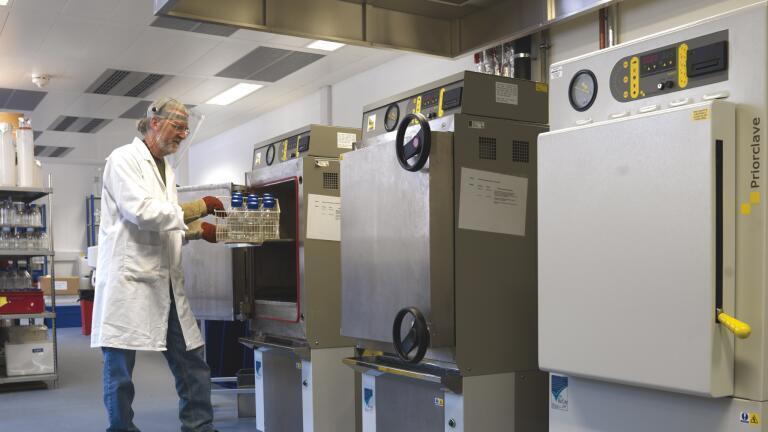
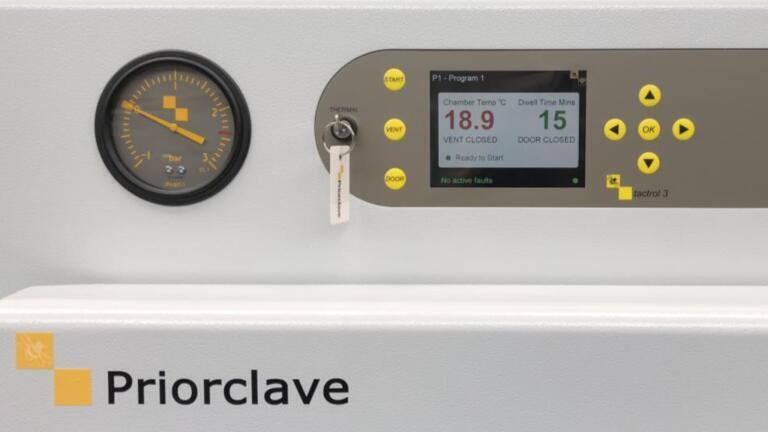
Destructive Testing and Sterilisation Durability Testing are one of the many situations where a Priorclave is ideally suited to the task and is favoured by many industries. This is because Priorclave’s exclusive Tactrol®3 control unit can easily run cycles of not just 0 to 120 minutes (standard medical cycles), or 0 to 999 minutes, but 0 to 999 hours - with “Automatic Cycle Repeat,” if necessary. With the push of a single button, a test item can be subjected to hundreds of identical temperature and pressure ramps without human intervention, and testers can walk away to tackle other pressing duties, confident that their Priorclave will run for days, weeks if necessary, safely simulating years of exposure to harsh conditions. This is something often not possible even with many high-end medical sterilisers.
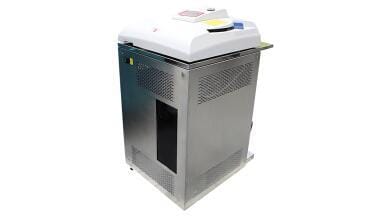
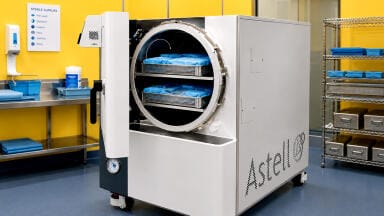
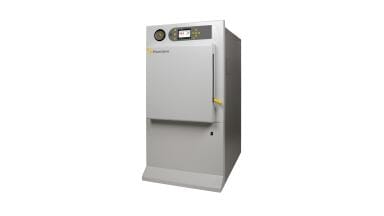
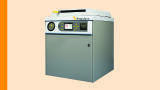
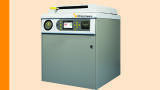
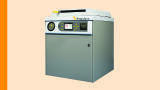
Priorclave autoclaves also help laboratories reduce their operating costs whilst conducting tests. For example, a 150-litre cylindrical chamber autoclave, such as the Priorclave’s EH150-SMART, typically only uses between 10 and 45 litres of water per cycle, depending on configuration. Whereas a standard jacketed autoclave would consume thirty times as much water, with no corresponding improvement in performance. This higher level of performance, freeing up lab technicians and lowering running costs, means labs can more easily meet sustainability targets and future-proof their facilities against rising utility prices.
Backed by a fast, friendly service network trusted by researchers worldwide, Priorclave is committed to keeping work flowing day in, day out. Get in touch with the Priorclave team to see how they can support your lab.
ILM 51.6 Sept 2026




 Product directory













.jpg)