Chromatography
Published over 8 years ago. See the latest and most current information on Chromatography.
In early 2011 the chemicals used to make synthetic marijuana were banned for at least one year by the Drug Enforcement Administration (DEA). The five synthetic cannabinoids included JWH-018, JWH-073, JWH-200, CP-47 and C8 homologue. Other state and federal agencies have banned one or more of these cannabinoids in the last year as well. The complexity and similarities of the chemical structures make identification of these compounds with GC-MS very challenging.
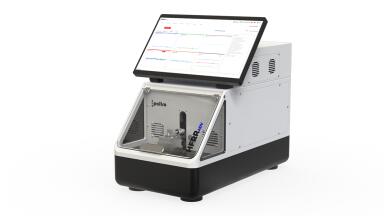
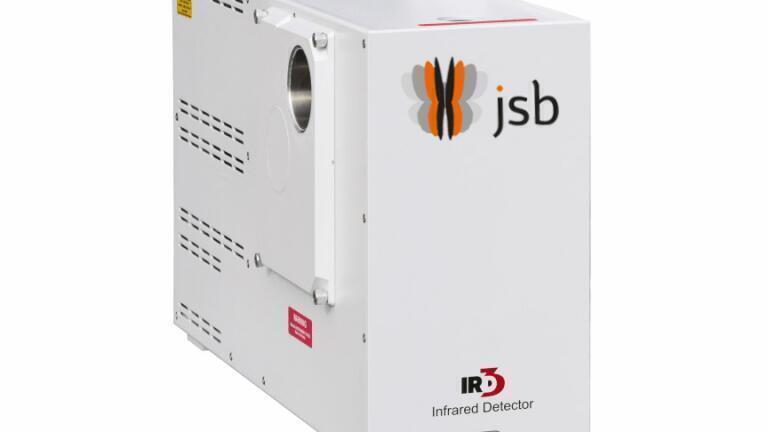
The IRD 3 is designed from the chromatographer’s point-of-view and is the only analytical infrared instrument that seamlessly combines the separating power of the Gas Chromatography with the molecular identification of FTIR.
The IRD 3 is the perfect tool for the chromatographer looking to obtain more information about unknown samples. Using a heater light pipe flow cell, the sample is kept in a vapor state while interacting with IR. This allows the molecules to freely rotate in a low energy environment. Keeping the molecular geometry in tack during analysis provides unique and highly reproducible spectra.
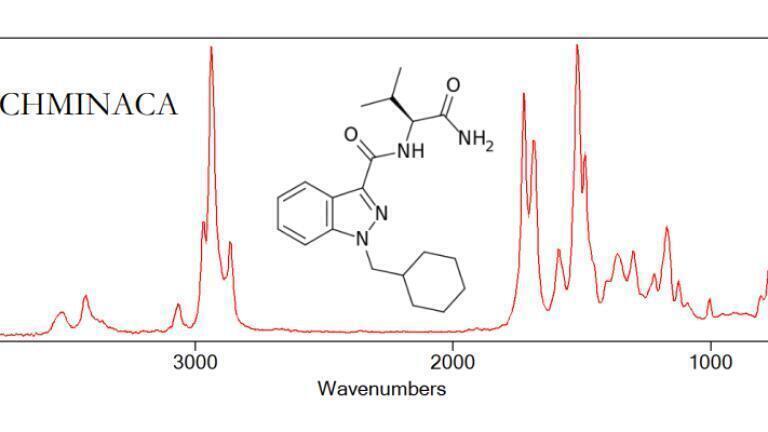
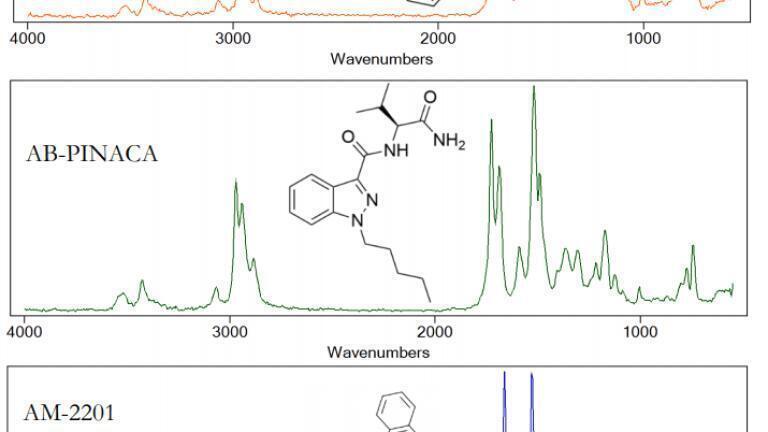
Figure 2* shows the spectra for a selection of synthetic cannabinoids. The results show the ability of the IRD to differentiate between not only similar compounds but larger molecules.
This example illustrates the tremendous power of the IRD to distinguish between compounds which are very similar structurally. It also points out the excellent complementary information that the IRD and MSD provide. The combination of these two instruments provide exceptional capability for qualitative analysis at a very high confidence level. (Figure 3*)
For further information click here or email us.
ILM 51.6 Sept 2026





 Product directory




















.jpg)
.jpg)