Chromatography
Published over 6 years ago. See the latest and most current information on Chromatography.
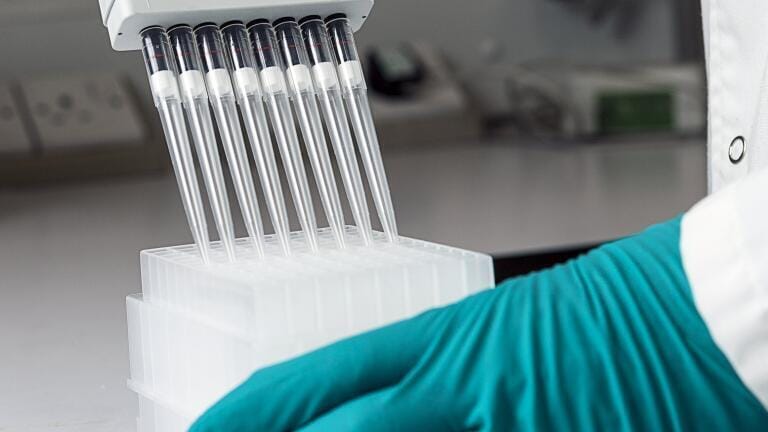
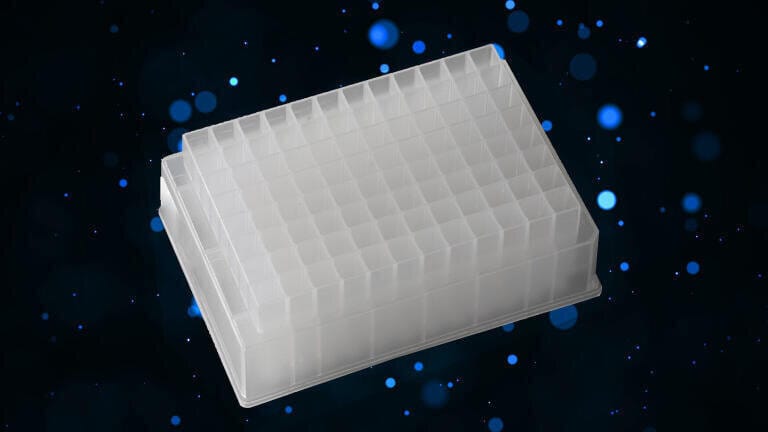
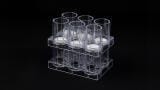
Incorporating a novel dual hydrophobically treated matrix filter, Microlute™ Protein Precipitation Plate from Porvair Sciences set a new standard for labs looking to remove interfering proteins from serum, plasma or even whole blood samples prior to analysis by Liquid Chromatography/Mass Spectrometry (LC/MS).
Biological samples commonly contain proteins that interfere with downstream applications such as LC/MS analysis. Microlute™ Protein Precipitation Plates (PPP) use the CRASH method, in which protein is denatured with acetonitrile and the flocculant filtered out, allowing 96 samples to be processed in parallel.
Based on the industry standard MicroLute™ format, but without the chromatographic sorbent, protein ‘crashes’ out of solution and precipitates directly in each well when acetonitrile is added, thus solving all common problems associated with the CRASH technique of protein clean-up. The novel dual frit, hydrophobically treated matrix used by the Microlute™ PPP means that there is no ‘wetting out’ and leakage of sample before the application of vacuum.
Due to its ease of use, high performance and reliability the Microlute™ PPP is commonly used as the protein precipitation plate of choice in many major pharmaceutical companies worldwide.
Watch a video demonstration of the Microlute™ PP.
More information online
ILM 51.6 Sept 2026



 Product directory


.jpg)
.jpg)












.jpg)
