
Company news
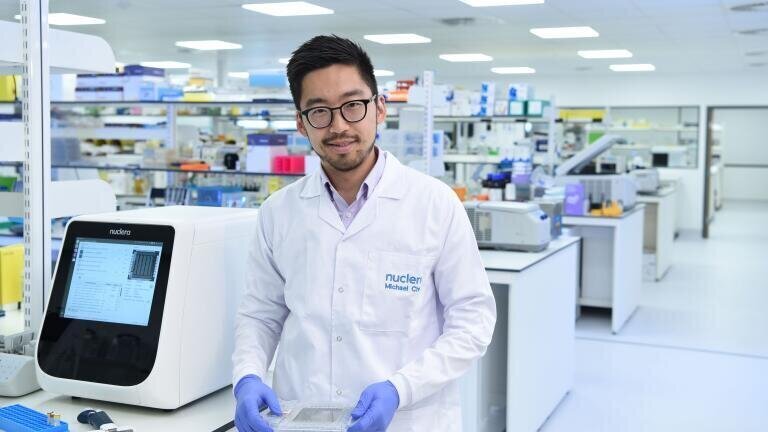
Nuclera and leadXpro have formed a partnership to accelerate structure-based drug design targeting complex membrane proteins, combining AI-guided construct design with rapid protein screening and structural biology expertise.
Membrane proteins remain among the most valuable drug targets, yet they continue to present a significant bottleneck in structure-based discovery due to the difficulty of producing stable, functional protein in sufficient quantities for downstream analysis.
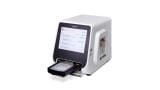
The collaboration integrates Nuclera’s eProtein Discovery™ platform, which enables rapid multiplex membrane protein screening using cell-free expression, with leadXpro’s AI/ML-driven construct design and advanced structural biology capabilities. Together, the partners aim to establish an iterative, end-to-end “lab-in-the-loop” workflow linking in silico design with experimental validation.
The approach is designed to improve construct selection, increase protein yield and stability, and accelerate access to high-quality structural and biophysical data needed to support drug discovery programmes.
Selected constructs identified through Nuclera’s screening system will be advanced for detailed biophysical characterisation and high-resolution structure determination by leadXpro, with resulting data feeding back into AI/ML models to refine future design cycles.
The partners also intend for the collaboration to inform further integration of AI/ML tools into experimental protein production workflows, with the goal of improving efficiency and success rates in membrane protein research.
Michael Chen, CEO and co-founder of Nuclera, said the partnership represents a step towards integrating predictive design with rapid experimental screening to shorten timelines from sequence to structural insight.
Michael Hennig, CEO of leadXpro, highlighted the importance of improving early access to optimised membrane protein constructs to enable more reliable structural and biophysical studies.
The partnership reflects a broader industry shift towards integrated, data-driven discovery workflows that combine computational design with automated experimental validation to reduce risk and accelerate therapeutic development.
More information online
ILM 51.6 Sept 2026



 Product directory
























.jpg)
