Company news
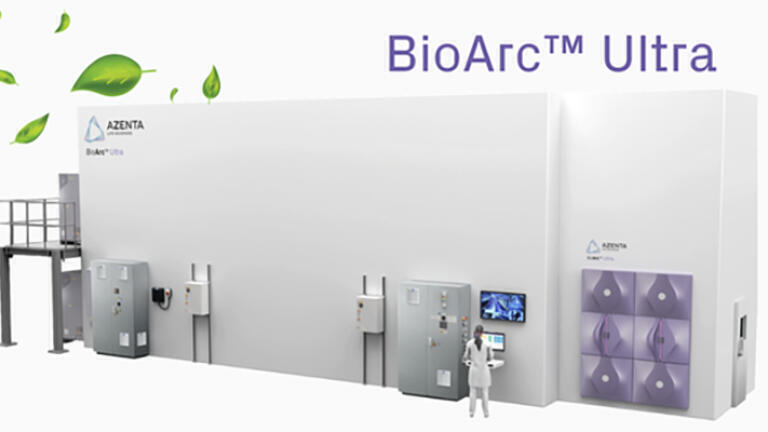
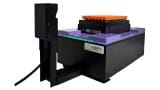
The UK Biocentre in Milton Keynes is set to enhance its large-scale biomedical research capabilities with the addition of a new high-density automated storage system. The BioArc Ultra, developed by Azenta Life Sciences, will expand the facility’s capacity by 16 million biological samples, supporting critical research projects, including the UK’s Our Future Health initiative.
The installation of the BioArc Ultra will complement the seven existing Azenta BioArc Flex systems already in operation at the UK Biocentre. Currently capable of storing more than 35 million samples, the facility plays a key role in managing and processing biological materials for national and international health studies.
The fully automated -80°C storage system will enable high-throughput sample retrieval, with the capacity to perform up to 9 million picks annually. The addition is expected to improve efficiency by reducing storage footprint, energy consumption, and manual handling requirements. Furthermore, the system’s environmentally friendly refrigeration technology aligns with the UK Biocentre’s commitment to sustainability, utilising zero ozone depletion and zero global warming potential refrigerants.
Dr Tony Cox OBE, Chief Executive Officer of UK Biocentre, emphasised the importance of the new system, stating: “The BioArc Ultra ensures UK Biocentre remains at the forefront of large-scale sample storage innovation while fulfilling our mission to reduce the environmental impact of vital clinical and life science research. We are proud to partner with Azenta Life Sciences to bring this unique offering to the UK, enabling us to maximise the potential of every sample.”
The UK Biocentre will utilise the expanded storage capacity to facilitate large-scale studies such as Our Future Health, a research program involving up to five million participants aimed at developing new approaches for disease prevention, detection, and treatment. The investment in automated sample management is expected to strengthen the UK’s biomedical research infrastructure and advance scientific discovery.
More information online
ILM 51.6 Sept 2026



 Product directory





















.jpg)
